Christen Købke
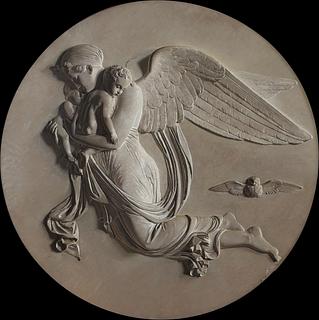
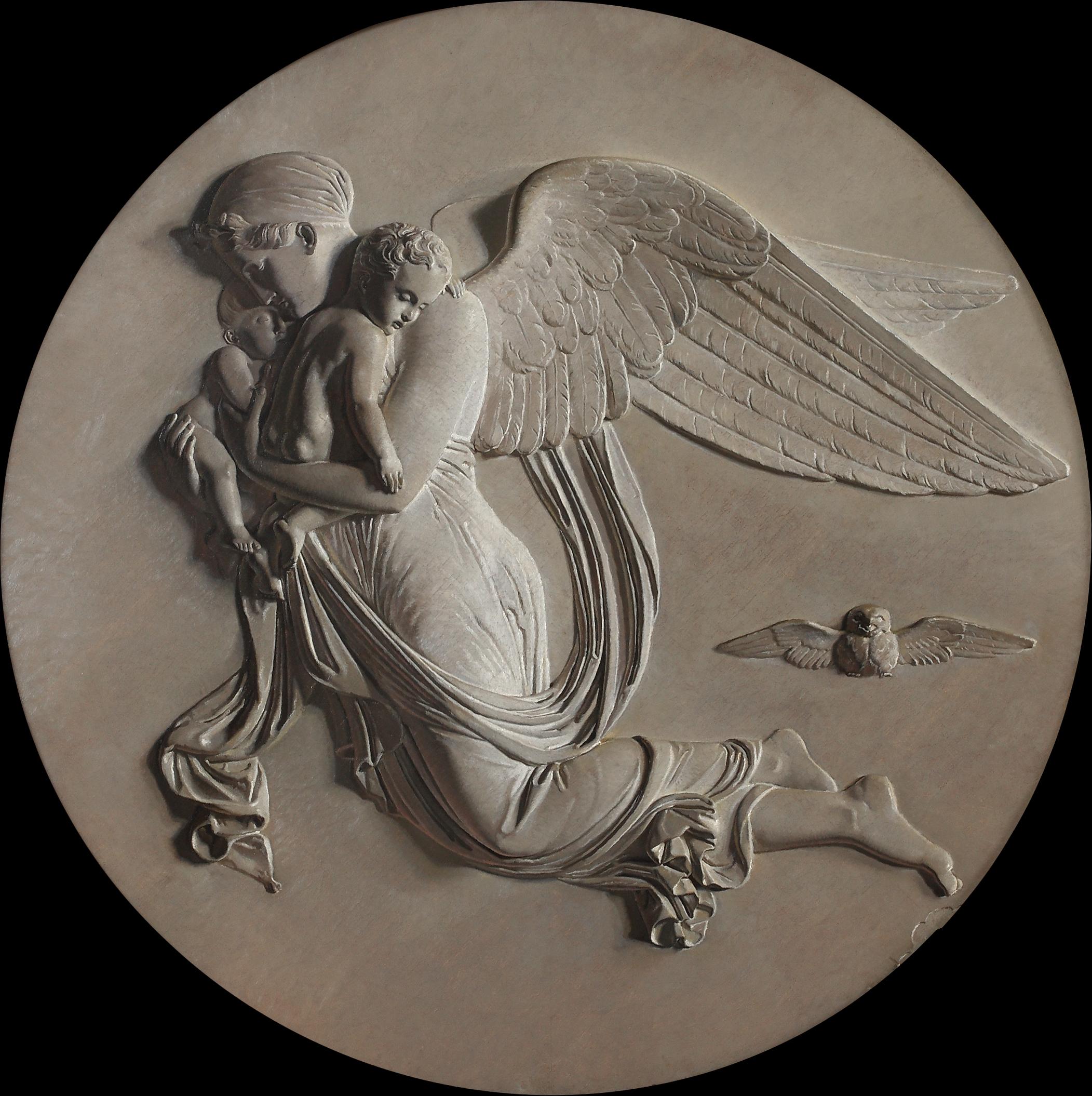
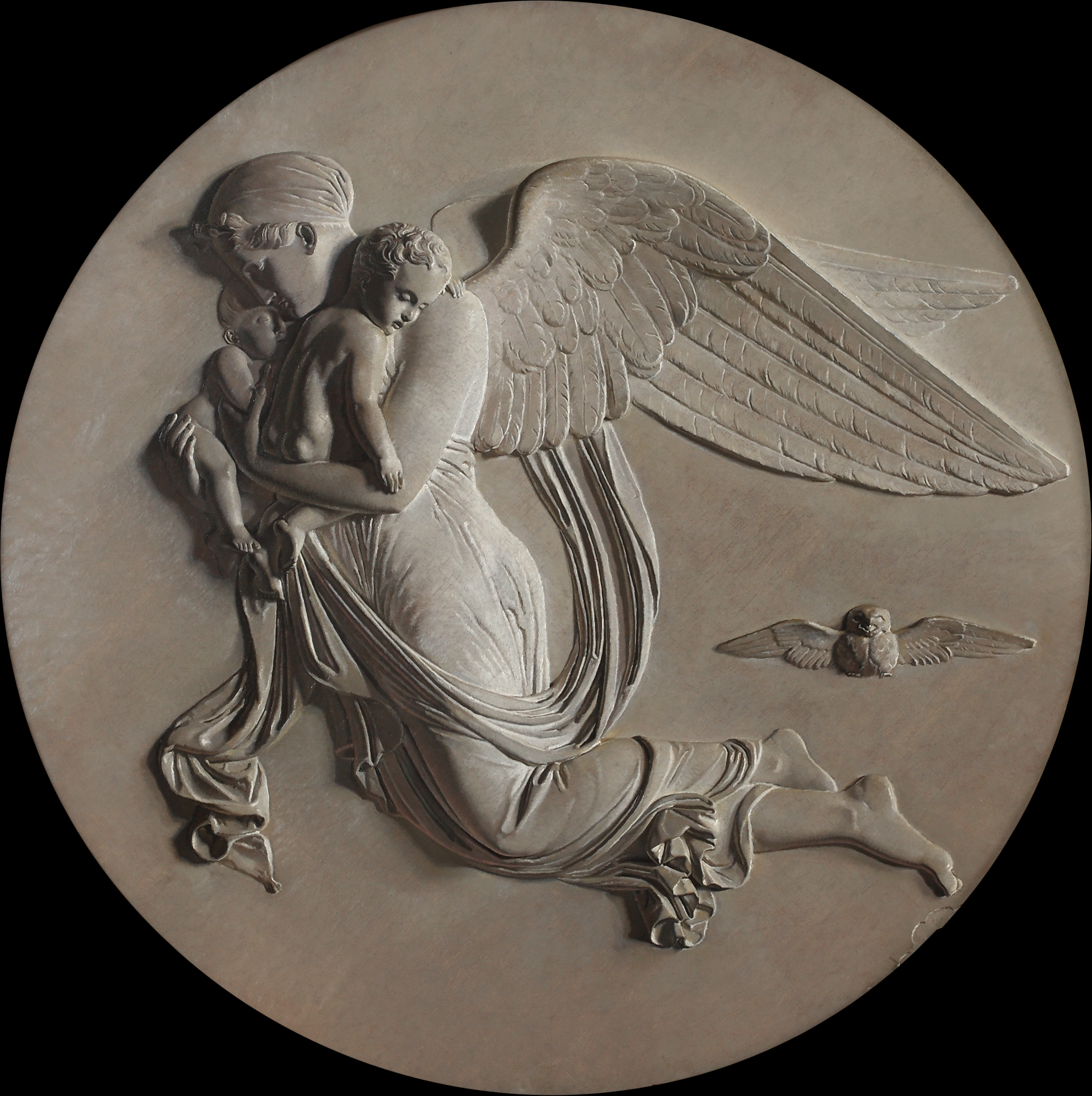
‘Night’ (after Bertel Thorvaldsen’s relief), 1834–1835
Oil on canvas
According to Eckersberg, Thorvaldsen had long pondered how to treat a particular subject rooted in ancient mythology; a symbolic depiction of Night (Nyx) and her two children, the twins Sleep (Hypnos) and Death (Thanatos). However, he struggled to clarify his ideas. One night, however, the motif suddenly sprang into his head, and he immediately got out of bed and quickly modelled the relief. When Eckersberg came by his room in the morning the following day, the relief was almost finished, and a plasterer was sent for. Before he arrived, Thorvaldsen had also executed the relief's counterpart, Day.1 Some twenty years after the creation of the two reliefs, Christen Købke copied them – not in plaster, however, but as grisaille paintings.
Here is one of the two paintings, Night, showing the goddess Nyx flying across the sky with closed eyes, cradling her two sleeping children in her arms. Her hair wreath is braided with poppies, one of her attributes and a symbol of sleep and death. Another of Nyx’s attributes is the owl seen from the front under her wings. The owl is a nocturnal bird, and here it is a symbol of silence.
When Thorvaldsen created his reliefs in 1815, they soon became popular as decorative embellishments in interiors as well as exteriors, for example inside gateways. Købke executed his two paintings for a similar purpose: alongside two landscapes (20/1969) (31/2014), they would decorate his parents’ dining room in their home in Blegdammen in Copenhagen.2
Købke’s painting Day, the counterpart to Night, can also be seen in The David Collection (B 358).
Published in
Published in
Emil Hannover: Maleren Christen Købke. En Studie i dansk Kunsthistorie, Copenhagen 1893, cat. 76, p. 140 (note).
Fortegnelse over Christen Købkes malerier. Kunstforeningen marts-april 1912, København 1912, cat. 88;
Karl Madsen: "Christen Købke og hans billeder paa galleriet," Kunstmuseets Aarsskrift, 1, 1914, p. 39;
Mario Krohn: Maleren Christen Købkes arbejder, Copenhagen 1915, no. 90;
Jørn Rubow: ”Christen Købke,” Danmark, 1, 1940-1941, p. 243;
Dansk kunsthåndværk gennem 400 aar. Kunstindustrimuseets jubilæumsudstilling maj-juni 1946, Copenhagen 1946, p. 54, cat. 151;
Erik Zahle: ”Billedkunst,” in C.L. Davids Samling. Vol. 1, Nogle studier, Copenhagen 1948, pp. 203-205, 238-239;
Christen Købke. Udstilling 31. januar – 28. februar 1953, Kunstforeningen, Copenhagen 1953, cat. 54;
Erik Zahle (ed.): Danmarks malerkunst. Fra middelalder til nutid, 4. ed., Copenhagen1956, p. 141;
C.L. David: C.L. Davids Samling, Copenhagen 1960, p. 9;
Dansk guldålder. Målningar, teckningar, skulpturer, Nationalmuseum, Stockholm 1964, p. 47, pl. 11, cat. 171;
Dansk kunst og kunsthåndværk, The David Collection, Copenhagen 1972, p. 11;
Verner Jul Andersen: Dansk kunst og kunsthåndværk, Davids Samling, 2. ed., Copenhagen 1983, cat. 423;
Vagn Poulsen: ”Guldalderbilleder,” in C.L. Davids Samling. Vol. 4, Jubilæumsskrift 1945-1970, Copenhagen 1970, p. 24;
Vagn Poulsen, Erik Lassen and Jan Danielsen (eds.): Dansk kunsthistorie. Billedkunst og skulptur. Vol. 3, Akademiet og guldalderen, 1750-1850, Copenhagen 1972, p. 343;
Kasper Monrad and Erik Fischer: Købke på Blegdammen og ved Sortedamssøen, The National Gallery of Denmark, Copenhagen 1981, pp. 21, 37, cat. 72;
Hans Edvard Nørregaard-Nielsen: Dansk kunst, vol. 1, Copenhagen 1983, p. 200;
Kasper Monrad in L’âge d’or de la peinture danoise 1800-1850, Grand Palais, Paris 1984, pp. 219-220;
Kasper Monrad: Hverdagsbilleder. Dansk guldalder, kunstnerne og deres vilkår, Copenhagen 1989, pp. 36, 235;
Sanford Schwartz: Christen Købke, New York 1992, pp. 40-42, pl. 41;
Hans Edvard Nørregård-Nielsen: The Golden Age of Danish Art. Drawings from the Royal Museum of Fine Arts, Copenhagen, The Frick Collection, New York, The Frick Art Museum, Pittsburgh and Crocker Art Museum, Sacramento, Alexandria 1996, p. 66;
Hans Edvard Nørregård-Nielsen and Kasper Monrad (eds.): Christen Købke, 1810-1848, The National Gallery of Denmark, Copenhagen 1996, fig. 129, pp. 71, 204, 200, cat. 90.
Ejner Johansson: ”At tegne gips efter Thorvaldsen,” Meddelelser fra Thorvaldsens Museum, 2001, fig. 5, pp. 145-146;
David Jackson and Kasper Monrad: Christen Købke. Danish Master of Light, National Gallery, London and National Gallery Complex, Edinburgh 2010, fig. 55, pp. 77-79;
Cecilie Høgsbro Østergaard (ed.): Dansk Guldalder. Verdenskunst mellem to katastrofer, The National Gallery of Denmark, Copenhagen 2019, fig. 68, pp. 89, 322;
Mentioned in Charlotte Christensen: ... at give af et godt hjerte og et glad sind. Kunstindustrimuseets Venner 1910-2010, Copenhagen 2010, p. 92;
Footnotes
Footnotes
For more information about the Købke family’s home in Blegdammen, see Hans Edvard Nørgaard-Nielsen and Kasper Monrad (ed.): Christen Købke 1810–1848, Statens Museum for Kunst, Copenhagen 1996, pp. 200–206.
Kasper Monrad: Hverdagsbilleder. Dansk Guldalder – kunstnerne og deres vilkår, Copenhagen 1989, p. 36.
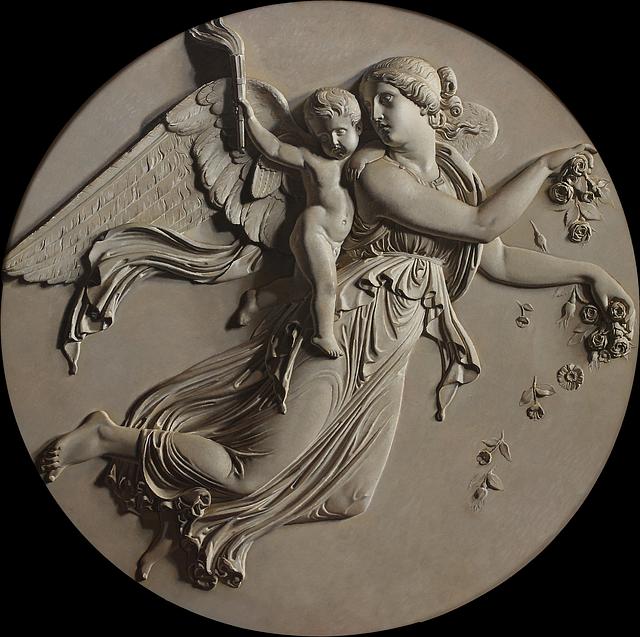
‘Day’ (after Bertel Thorvaldsen’s relief), 1834–1835
Oil on canvas
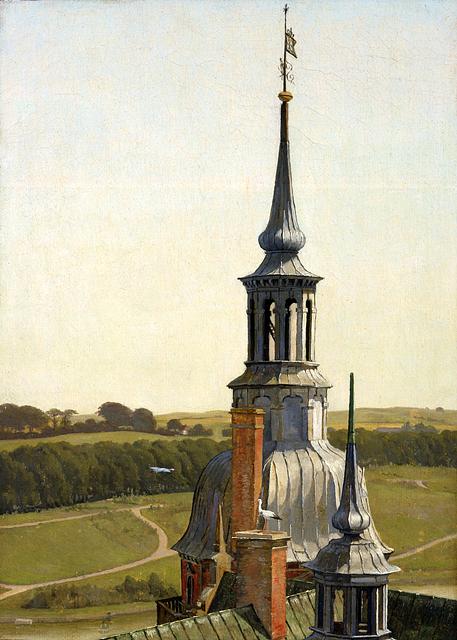
One of the Small Towers on Frederiksborg Castle, c. 1834
Oil on canvas
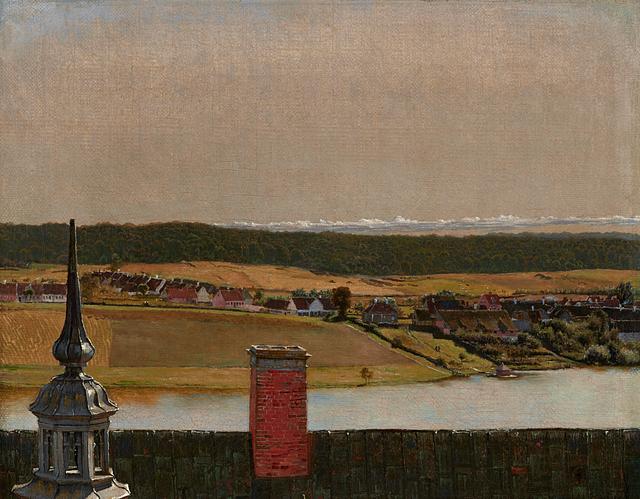
The Ridge of Frederiksborg Castle with a View of the Lake, Town, and Forest, c. 1834
Oil on canvas
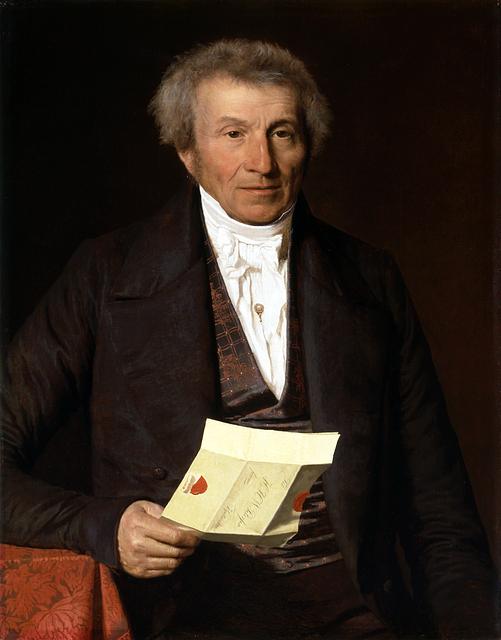
The Grocer H.W. Petersen, 1838
Oil on canvas