H.G.F. Holm (1803–1861)
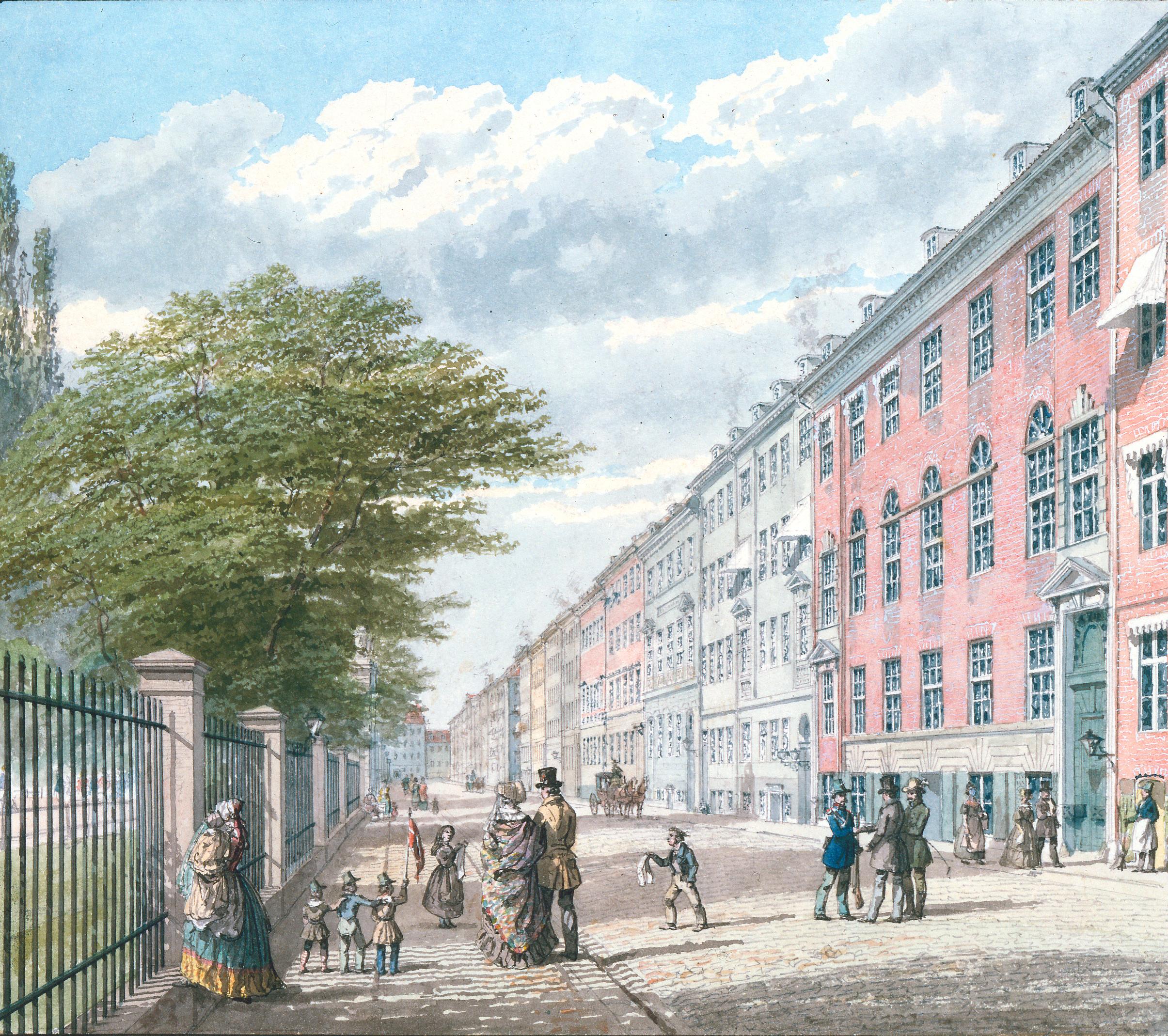
Kronprinsessegade seen from Gothersgade, 1848
Watercolour on paper
20 x 22 cm
Inventory number 13/1977
The painter H.G.F. Holm found his subject matter throughout the inner city of Copenhagen. However, certain neighbourhoods appear to have caught his interest – especially those where affluent audiences lived, for example Frederiksstaden.1 While perambulating this neighbourhood, he also made his way to Kronprinsessegade, a street which runs along The King’s Garden between Gothersgade and Sølvgade. He depicted several scenes from this street.
In the 1840s, Kronprinsessegade was one of the most prestigious streets in the so-called Adel- and Borgergade district, a fact which is also evident from Holm’s watercolour. The people seen strolling along the then-cobbled street lined by tall, stately properties are well-to-do citizens wearing elegant clothes and tall hats. All is well with the world on this bright, sunny summer day. Among the most conspicuous figures we find a uniformed soldier and three small children, one of whom is holding a Dannebrog flag. Together, they bear witness to the general atmosphere described as the ‘spirit of 1848’, a patriotic awakening among the Danes.2
Kronprinsessegade was laid out on a strip of land taken from the Rosenborg Castle Garden (now known as The King’s Garden) in the late eighteenth century. The new construction was prompted by the urgent need for new housing for some of the many people who had become homeless after the great fire in Copenhagen in 1795. A plan for the street, which was named after the then Crown Princess Marie Sophie Frederikke (1767–1852), as well as for the buildings in the street was drawn up by city architect Peter Meyn (1749–1808) and city surveyor J.H. Rawert (1751–1823). In all likelihood it was Rawert who did the masterplan for a large number of properties in the street, including Kronprinsessegade 30, which was built in 1806–1807 in the neoclassical style.
Holm’s watercolour is directly linked to the history of The David Collection, as the collection’s founder, C.L. David, bought Kronprinsessegade 30 in 1917, where his great-grandfather, Joseph Nathan David (1758-1830) had lived from 1810-1830. In 1847 the property was modernised under the supervision of L.A. Winstrup (1815–1889), but in 1951 it was restored to its original appearance by architect Kaare Klint (1888–1954). All the houses in Kronprinsessegade were listed in 1945.
In the 1840s, Kronprinsessegade was one of the most prestigious streets in the so-called Adel- and Borgergade district, a fact which is also evident from Holm’s watercolour. The people seen strolling along the then-cobbled street lined by tall, stately properties are well-to-do citizens wearing elegant clothes and tall hats. All is well with the world on this bright, sunny summer day. Among the most conspicuous figures we find a uniformed soldier and three small children, one of whom is holding a Dannebrog flag. Together, they bear witness to the general atmosphere described as the ‘spirit of 1848’, a patriotic awakening among the Danes.2
Kronprinsessegade was laid out on a strip of land taken from the Rosenborg Castle Garden (now known as The King’s Garden) in the late eighteenth century. The new construction was prompted by the urgent need for new housing for some of the many people who had become homeless after the great fire in Copenhagen in 1795. A plan for the street, which was named after the then Crown Princess Marie Sophie Frederikke (1767–1852), as well as for the buildings in the street was drawn up by city architect Peter Meyn (1749–1808) and city surveyor J.H. Rawert (1751–1823). In all likelihood it was Rawert who did the masterplan for a large number of properties in the street, including Kronprinsessegade 30, which was built in 1806–1807 in the neoclassical style.
Holm’s watercolour is directly linked to the history of The David Collection, as the collection’s founder, C.L. David, bought Kronprinsessegade 30 in 1917, where his great-grandfather, Joseph Nathan David (1758-1830) had lived from 1810-1830. In 1847 the property was modernised under the supervision of L.A. Winstrup (1815–1889), but in 1951 it was restored to its original appearance by architect Kaare Klint (1888–1954). All the houses in Kronprinsessegade were listed in 1945.
Published in
Published in
Verner Jul Andersen: Dansk kunst og kunsthåndværk, Davids Samling, 2. ed., København 1983, cat. 420 and ill. VIII;
Henriette Senstius: Klassicisme: arkitekturen i København på C.F. Hansens tid: udstilling i Rundetaarn 6. september - 1. november 1998, København 1998, p. 19, no. 109;
Kristian Hvidt: Kunst og kapital. Portræt af C.L. David og hans verden, København 2008, p. 27;
Henriette Senstius: Klassicisme: arkitekturen i København på C.F. Hansens tid: udstilling i Rundetaarn 6. september - 1. november 1998, København 1998, p. 19, no. 109;
Kristian Hvidt: Kunst og kapital. Portræt af C.L. David og hans verden, København 2008, p. 27;
Footnotes
Footnotes
1.
Michael Bregnsbo: ‘Danmark 1848 – systemskifte og borgerkrig’, Fortid og Nutid, December 1998, pp. 251–269.
2.
Steffen Linvald: Fra Christiansborg til Frederiksstaden: en byvandring med landskabsmaleren H.G.F. Holm gennem København i forrige aarhundrede samt nogle træk af hans liv, Copenhagen 1960, p. 68.
Danish Paintings and Drawings
Christen Købke
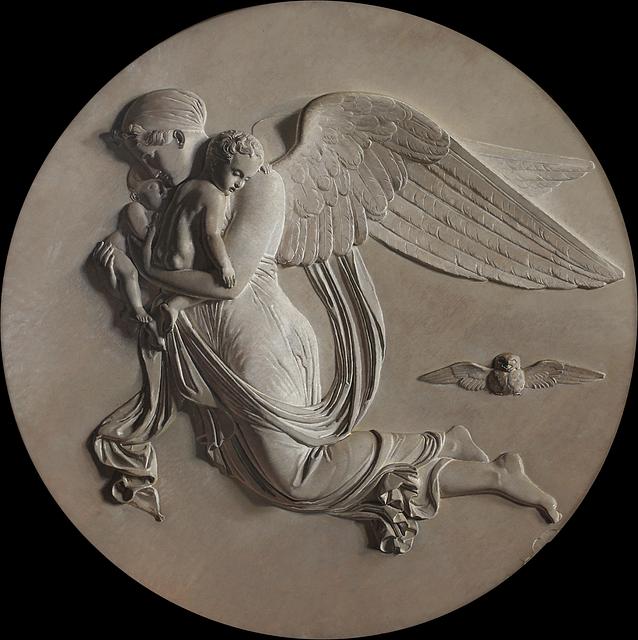
‘Night’ (after Bertel Thorvaldsen’s relief), 1834–1835
Oil on canvas
‘Night’ (after Bertel Thorvaldsen’s relief), 1834–1835
Oil on canvas
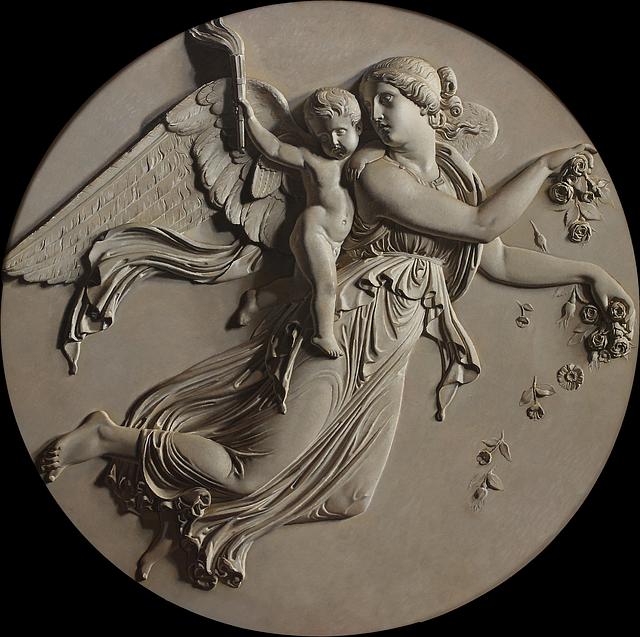
Christen Købke
‘Day’ (after Bertel Thorvaldsen’s relief), 1834–1835
Oil on canvas
‘Day’ (after Bertel Thorvaldsen’s relief), 1834–1835
Oil on canvas
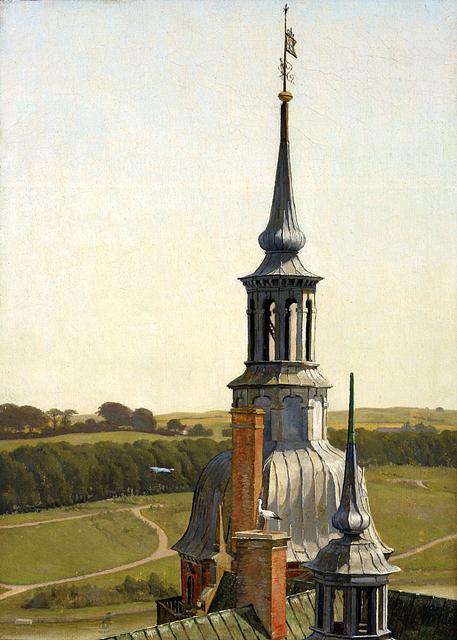
Christen Købke (1810–1848)
One of the Small Towers on Frederiksborg Castle, c. 1834
Oil on canvas
One of the Small Towers on Frederiksborg Castle, c. 1834
Oil on canvas
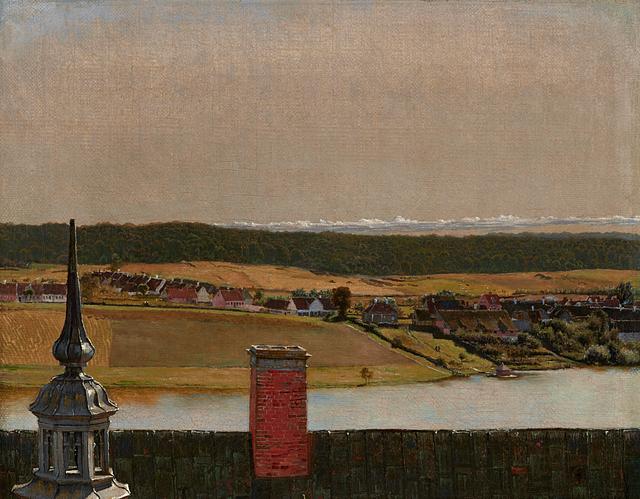
Christen Købke
The Ridge of Frederiksborg Castle with a View of the Lake, Town, and Forest, c. 1834
Oil on canvas
The Ridge of Frederiksborg Castle with a View of the Lake, Town, and Forest, c. 1834
Oil on canvas