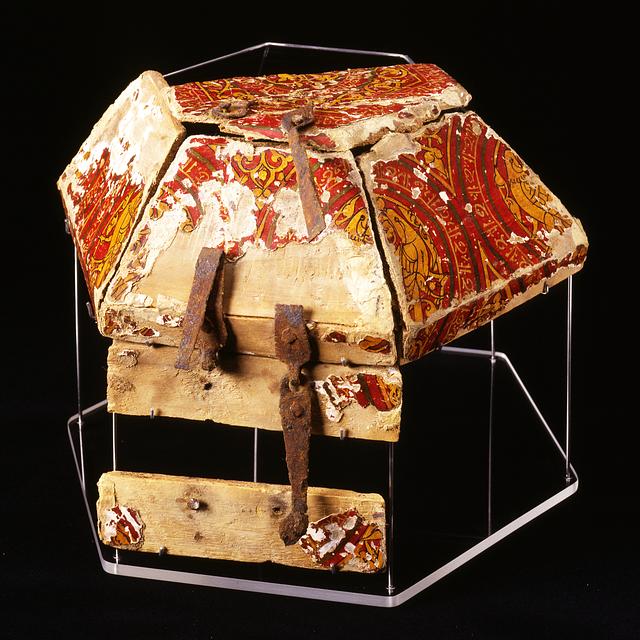
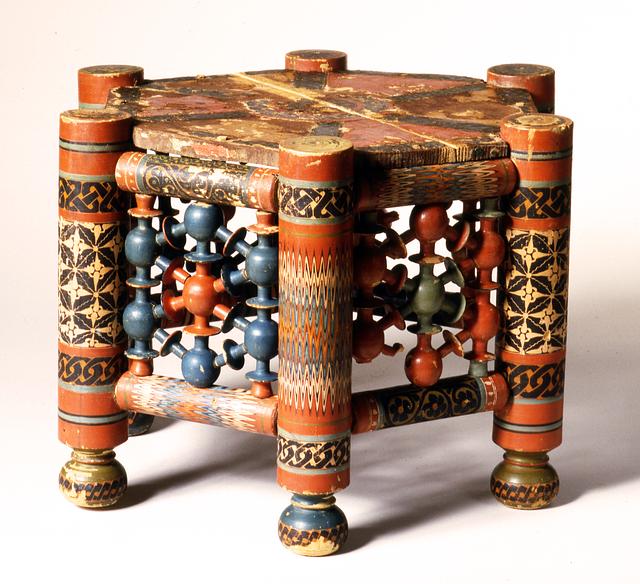
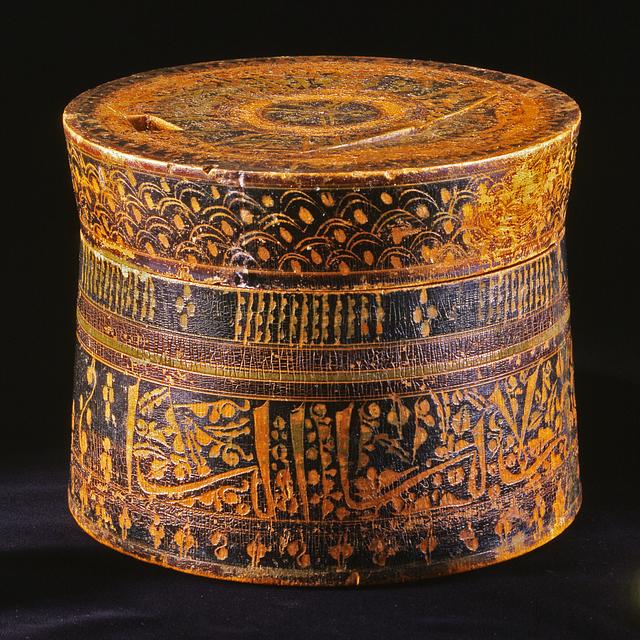
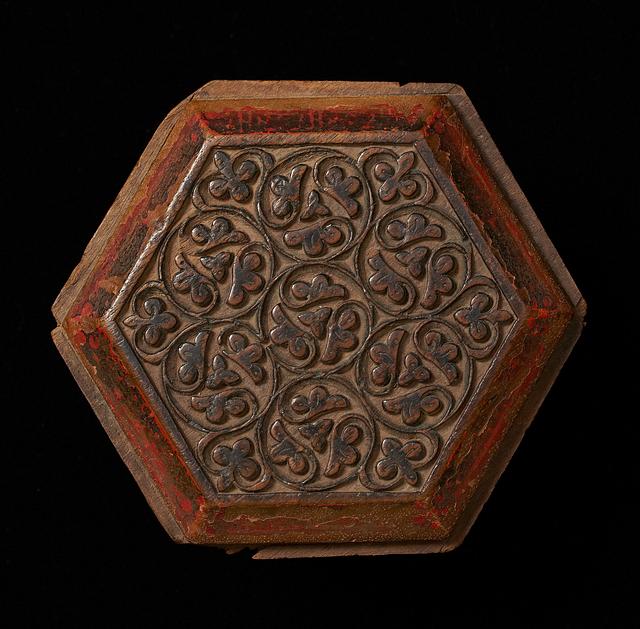
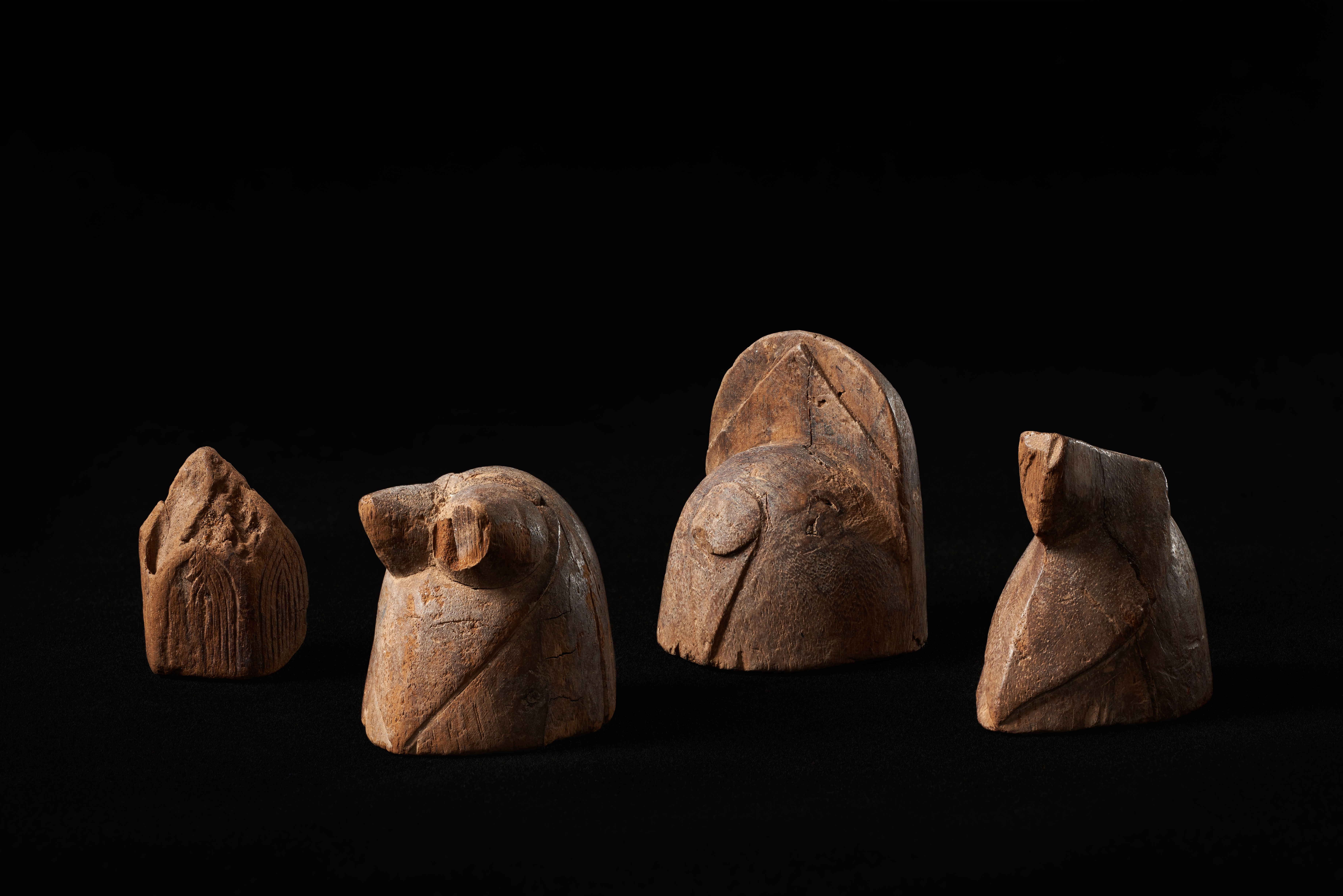
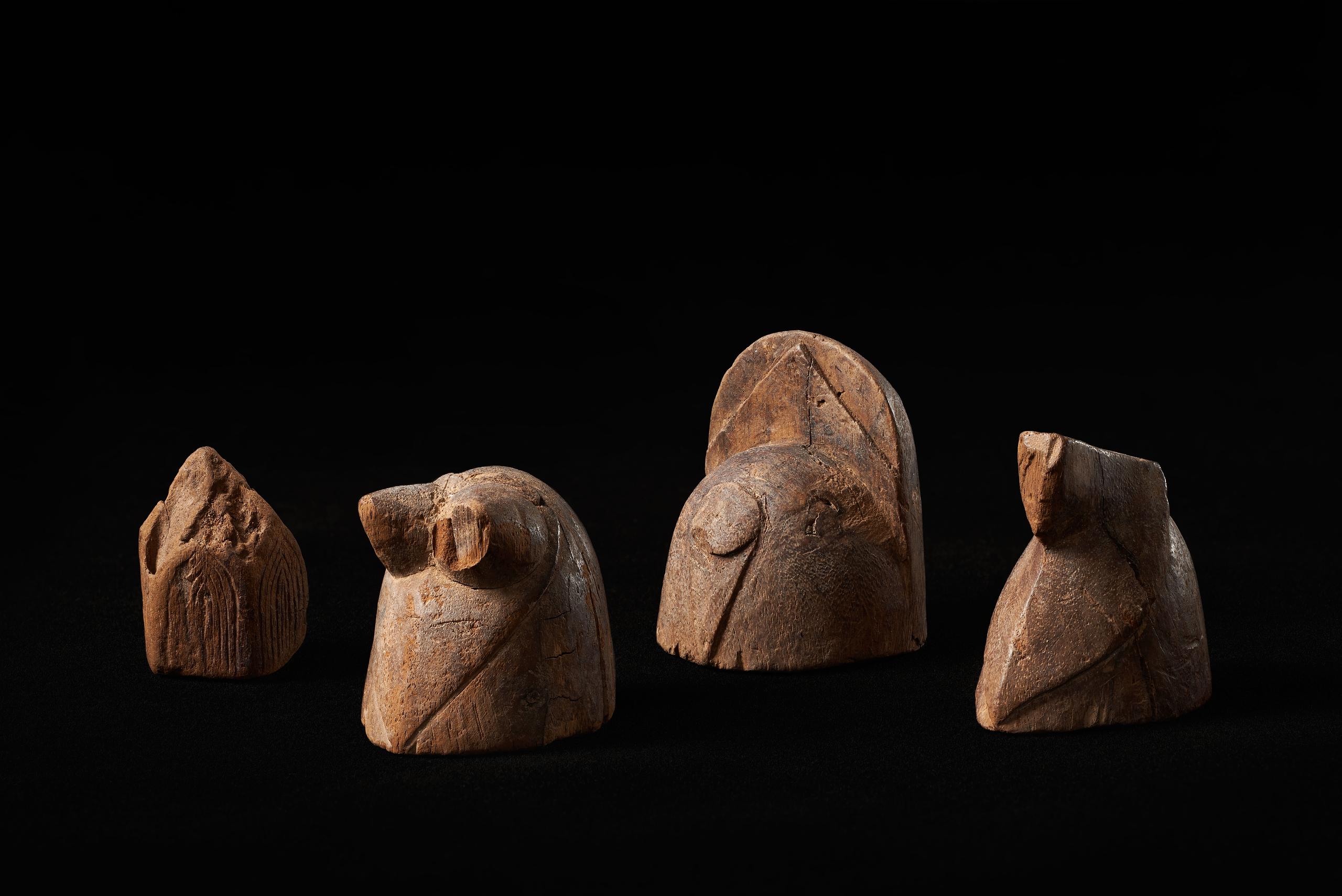
Four chessmen, carved wood
Afghanistan; 10th-12th century
H: 4; Diam: 2.7 cm (48a/1998)
H: 4.3; W: 4.2; L: 5.4 cm (49b/1998)
H: 5.8, W: 5; L: 5.6 cm (48c/1998)
H: 5.2, W. 4, L: 6.1 cm (48d/1998)
H: 4.3; W: 4.2; L: 5.4 cm (49b/1998)
H: 5.8, W: 5; L: 5.6 cm (48c/1998)
H: 5.2, W. 4, L: 6.1 cm (48d/1998)
Inventory number 48a/1998, 48b/1998, 48c/1998 & 48d/1998
Chess probably originated in India in the 6th century B.C. Datable chessmen in an Islamic context are not known until the 9th century. Islamic chessmen are often highly stylized, like these four pieces, and it is often difficult to determine their status, something that is true of the largest of these, which is either a king or a queen.
The form of the bishop is based on an elephant and is consequently denoted with two “horns.” The shape of the knight is easier to recognize thanks to its animal-like features, and the smallest piece is a pawn.
The form of the bishop is based on an elephant and is consequently denoted with two “horns.” The shape of the knight is easier to recognize thanks to its animal-like features, and the smallest piece is a pawn.
Published in
Published in
Kjeld von Folsach: Art from the World of Islam in The David Collection, Copenhagen 2001, cat.no. 421
The Ghaznavids and the Ghurids