Jens Juel (1745–1802)
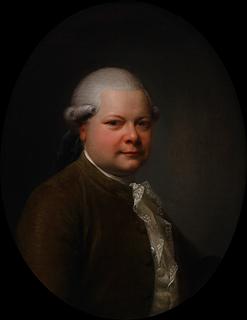
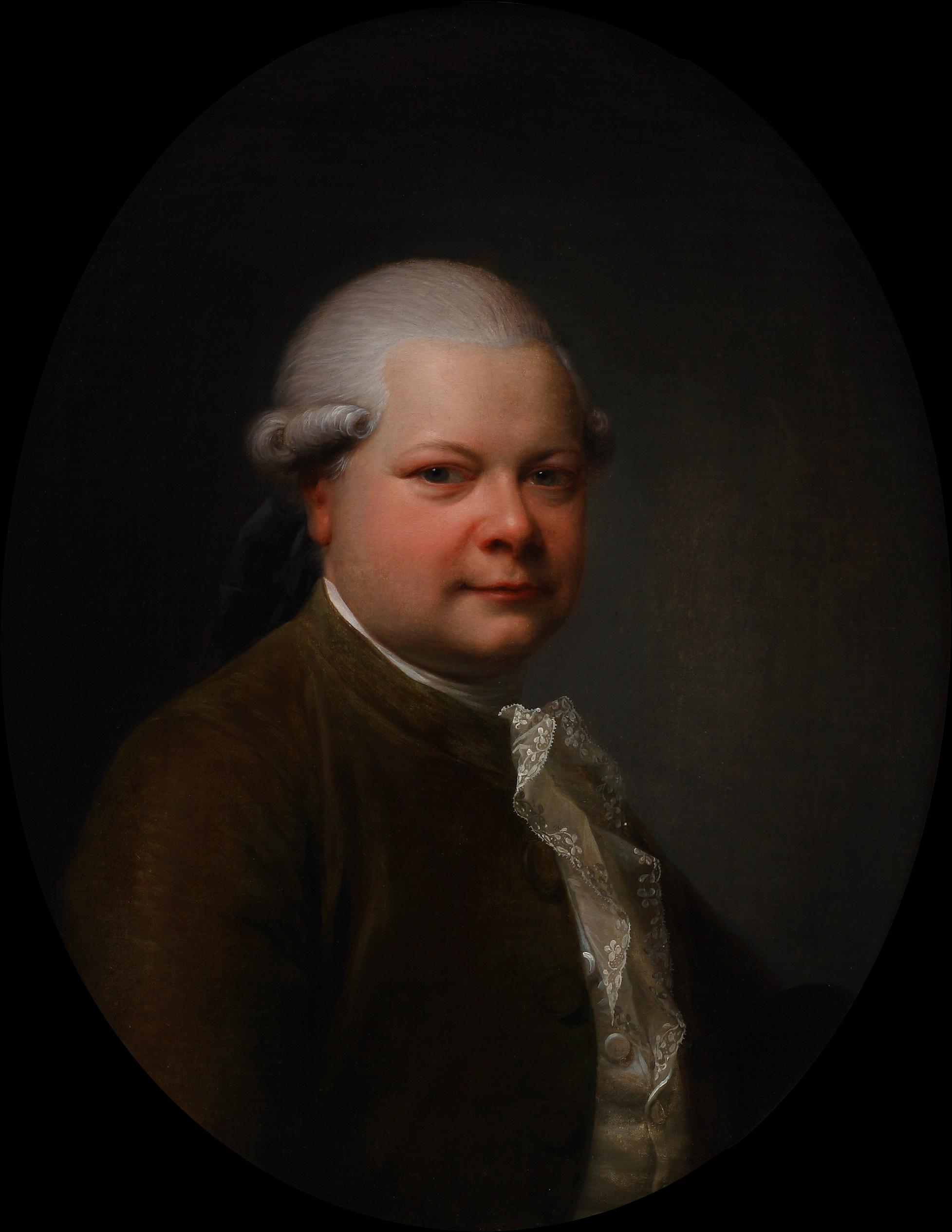
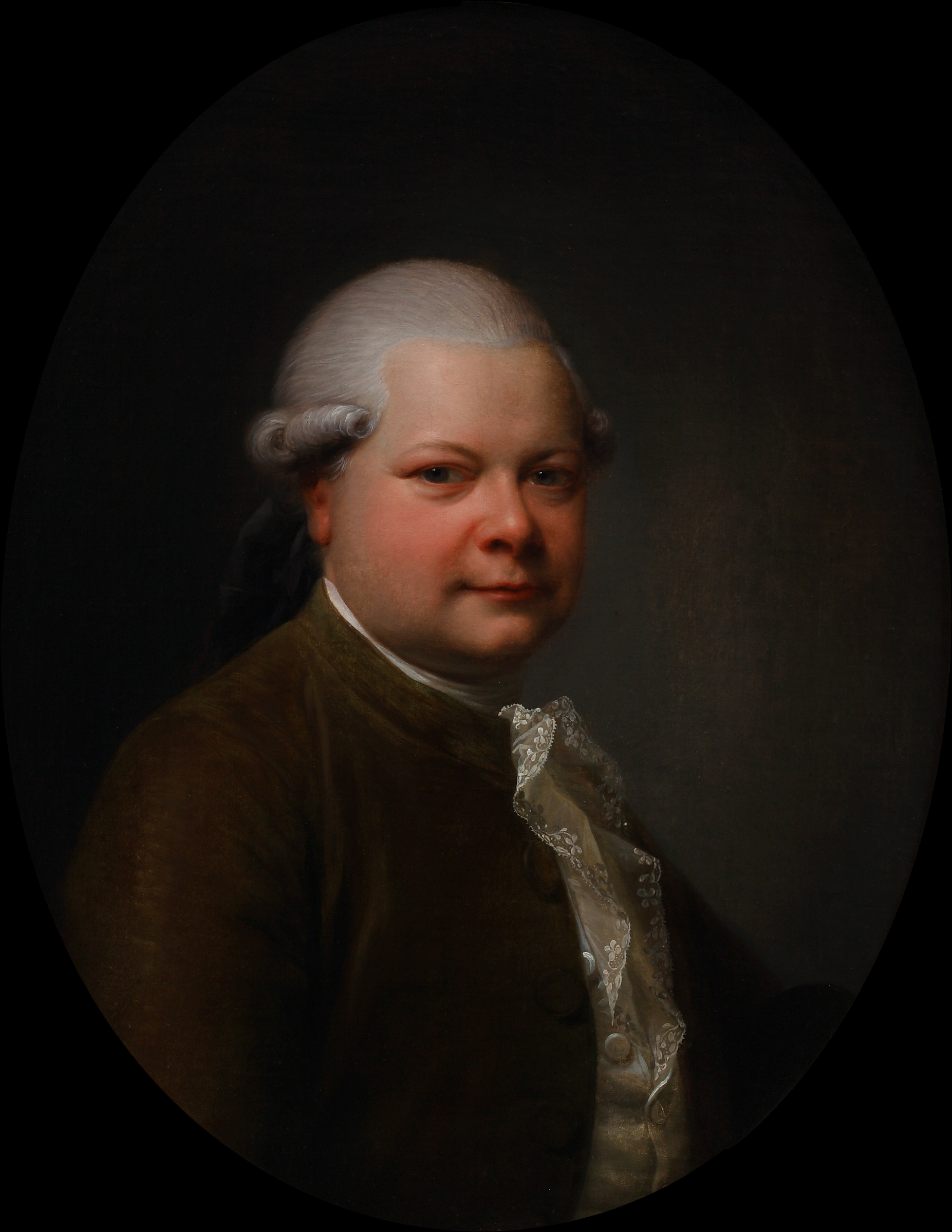
Chamberlain Johan Frederik Lindencrone, 1787
Oil on canvas
70 x 55 cm
Inventory number B 354
Jens Juel won great acclaim as a portrait painter towards the end of the eighteenth century. This was due, among other things, to his excellent ability to convincingly depict the people he painted. And accurate portraiture seems to be the focus in this oval portrait of Johan Frederik Lindencrone (1746–1817) who in a diary entry notes that his portrait is ‘a most excellent likeness’.1
Johan Frederik Lindencrone was the son of supercargo Christen Lintrup (1703–1777), who in 1756 had been ennobled and given the name Lindencrone. Just like his father, Johan Frederik was awarded several honorary titles. In 1766, he was appointed Valet de Chambre. He was made state councillor in 1774 and chamberlain in 1780. Even so, his powerful position and social status are downplayed in Juel’s portrait. Because unlike Jørgen Scheel, who was also a chamberlain and had been portrayed by Juel a few years before (B 346), Johan Frederik Lindencrone is not wearing the red uniform jacket of a chamberlain. Instead, he wears a dark brown jacket that has a more private look.
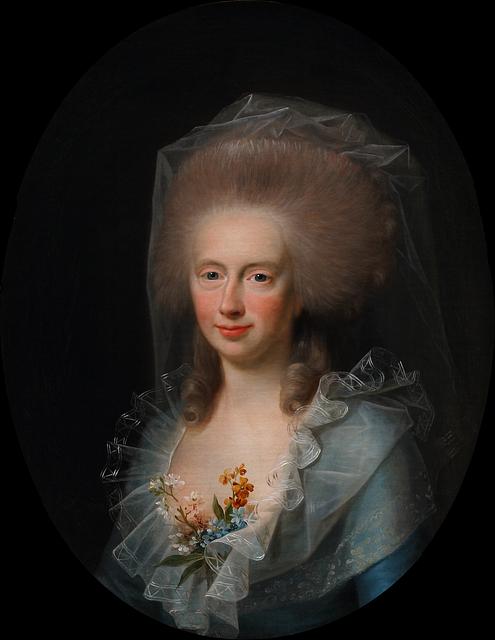
Juel has clearly put a great deal of effort into working with the light and how it falls upon the waistcoat and the lace, as well as on the face with its friendly eyes and faint suggestion of a smile. A sense of calm harmony pervades the portrait. The same applies to its companion piece, the portrait of Johan Frederik Lindencrone’s wife, Bolette Marie Lindencrone (207/2006), who, like her husband, was around 40 years of age when the painting was created.
C. L. David acquired the portrait of Johan Frederik Lindencrone in 1952. While it was by no means the first work by Juel to enter his art collection, it still held a special significance due to its connection to David’s personal history: In 1795, Johan Frederik Lindencrone acquired a country estate by the Lyngby Lake north of Copenhagen. He was very pleased with his purchase, and in a letter dating from that same year he wrote: ‘Finally I have bought myself a country estate, and one which I venture, though I do say so myself, to describe as the most beautiful in Frederichsdal’.2 Lindencrone named the house Marienborg after his wife, Bolette Marie. However, the estate would only remain in Lindencrone’s possession for five years, as he sold the house in 1800 after the death of his wife and two daughters. Many years later, in 1934, C.L. David acquired Marienborg, and he later bequeathed it to the Danish nation.3
Johan Frederik Lindencrone was the son of supercargo Christen Lintrup (1703–1777), who in 1756 had been ennobled and given the name Lindencrone. Just like his father, Johan Frederik was awarded several honorary titles. In 1766, he was appointed Valet de Chambre. He was made state councillor in 1774 and chamberlain in 1780. Even so, his powerful position and social status are downplayed in Juel’s portrait. Because unlike Jørgen Scheel, who was also a chamberlain and had been portrayed by Juel a few years before (B 346), Johan Frederik Lindencrone is not wearing the red uniform jacket of a chamberlain. Instead, he wears a dark brown jacket that has a more private look.
Juel has clearly put a great deal of effort into working with the light and how it falls upon the waistcoat and the lace, as well as on the face with its friendly eyes and faint suggestion of a smile. A sense of calm harmony pervades the portrait. The same applies to its companion piece, the portrait of Johan Frederik Lindencrone’s wife, Bolette Marie Lindencrone (207/2006), who, like her husband, was around 40 years of age when the painting was created.
C. L. David acquired the portrait of Johan Frederik Lindencrone in 1952. While it was by no means the first work by Juel to enter his art collection, it still held a special significance due to its connection to David’s personal history: In 1795, Johan Frederik Lindencrone acquired a country estate by the Lyngby Lake north of Copenhagen. He was very pleased with his purchase, and in a letter dating from that same year he wrote: ‘Finally I have bought myself a country estate, and one which I venture, though I do say so myself, to describe as the most beautiful in Frederichsdal’.2 Lindencrone named the house Marienborg after his wife, Bolette Marie. However, the estate would only remain in Lindencrone’s possession for five years, as he sold the house in 1800 after the death of his wife and two daughters. Many years later, in 1934, C.L. David acquired Marienborg, and he later bequeathed it to the Danish nation.3
Published in
Published in
Fortegnelse over en Samling af Malerier, Tegninger og Kobbere, udstillet af Selskabet Konstforeningen, Kjöbenhavn 1828, cat. 40, p. 9;
V. Winkel & Magnussen (eds.): Kunst i privat Eje, vol. 2, København 1945, pp. 256-359 samt fig. 1;
Erik Zahle: ”Malerisamlingens vækst” in C.L. Davids Samling, Tredje del, København 1958, pp. 125, 150-151;
Dansk kunst og kunsthåndværk, Davids Samling, København 1972, p. 10.
Bredo L. Grandjean: Marienborg. Et nordsjællandsk landsteds historie, Lyngby 1977, p. 25;
Verner Jul Andersen: Dansk kunst og kunsthåndværk, Davids Samling, 2. ed., København 1983, cat. 401;
Ellen Poulsen: Jens Juel. Vol. 1, Katalog, København 1991, cat. 413, p. 128;
Ellen Poulsen: Jens Juel. Vol. 2, Malerier og pasteller, København 1991, cat. 413, p. 254;
Jesper Asmussen: Mølleåen: fra Bastrup Sø til Øresund, København 2011, p. 52;
Kenneth Bo Jørgensen: Marienborg, København 2014, p. 64;
Thyge Fønss-Lundberg and Anna Schram Vejlby: Jens Juel. En europæisk mester, København 2021, pp. 339, 362. (obs: Here the painting has different title);
Footnotes
Footnotes
1.
For more information on the history of Marienborg and its association with the Lindencrones, see: Bredo L. Grandjean: Marienborg. Et nordsjællandsk landsteds historie, Lyngby 1977.
2.
Bredo L. Grandjean: Marienborg. Et nordsjællandsk landsteds historie, Lyngby 1977, s. 27. Citation translated by René Lauritsen.
3.
Ellen Poulsen: Jens Juel. Vol. 1, Katalog, Copenhagen 1991, cat. 213, p. 128.
Danish Paintings and Drawings
Jens Juel (1745–1802)
Bolette Marie Lindencrone, née Harboe, 1787
Oil on canvas
Bolette Marie Lindencrone, née Harboe, 1787
Oil on canvas
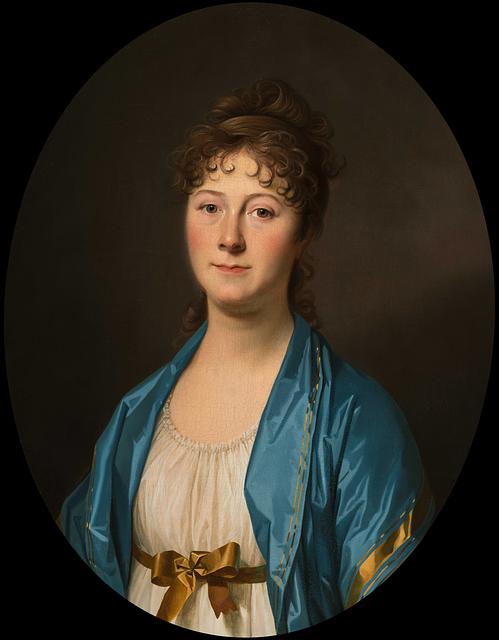
Jens Juel (1745–1802)
Helena Charlotte Lassen, née Nordtmann, wife of counter admiral Lorentz Fjelderup Lassen, 1801–1802
Oil on canvas
Helena Charlotte Lassen, née Nordtmann, wife of counter admiral Lorentz Fjelderup Lassen, 1801–1802
Oil on canvas
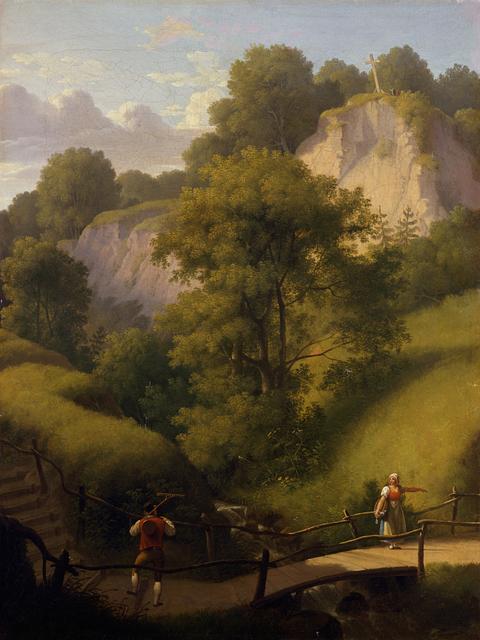
C.W. Eckersberg (1783–1853)
Korsklinten at Liselund, Møn, 1809
Oil on canvas
Korsklinten at Liselund, Møn, 1809
Oil on canvas
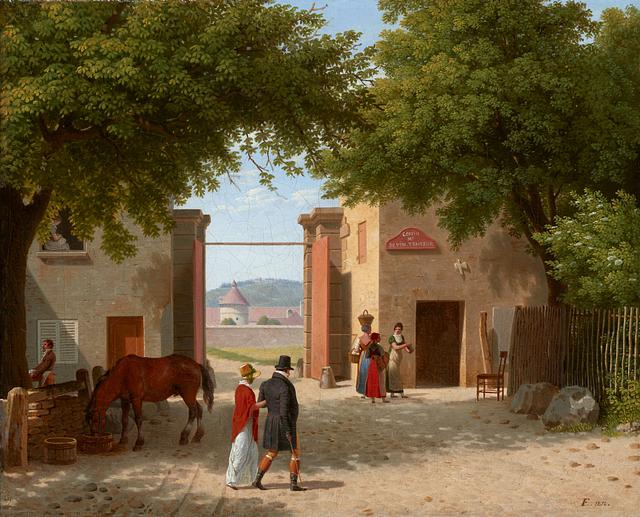
C.W. Eckersberg (1783–1853)
The Longchamp Gate in the Bois-de-Boulogne, 1812
Oil on canvas
The Longchamp Gate in the Bois-de-Boulogne, 1812
Oil on canvas