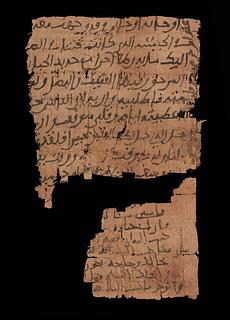
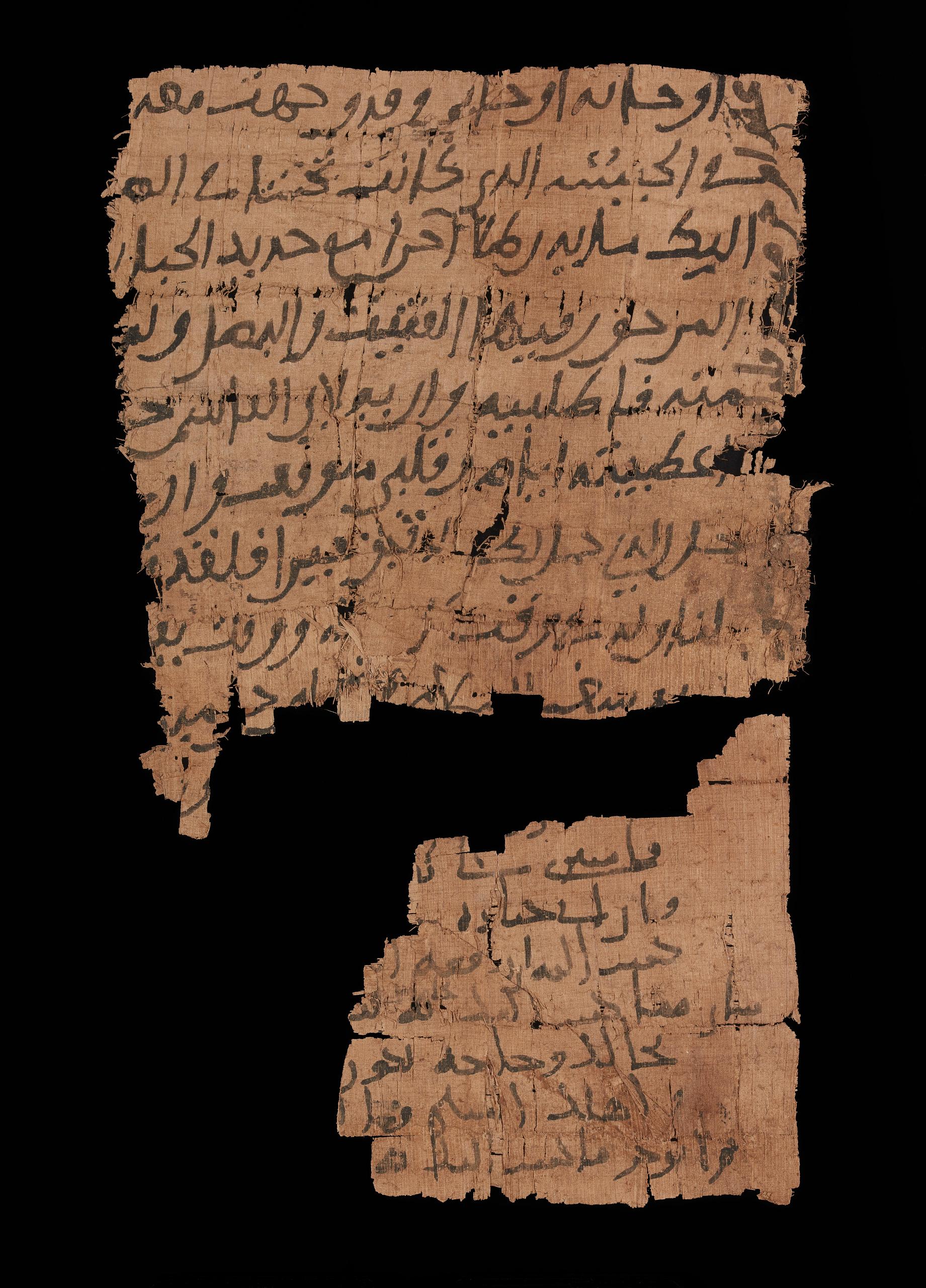
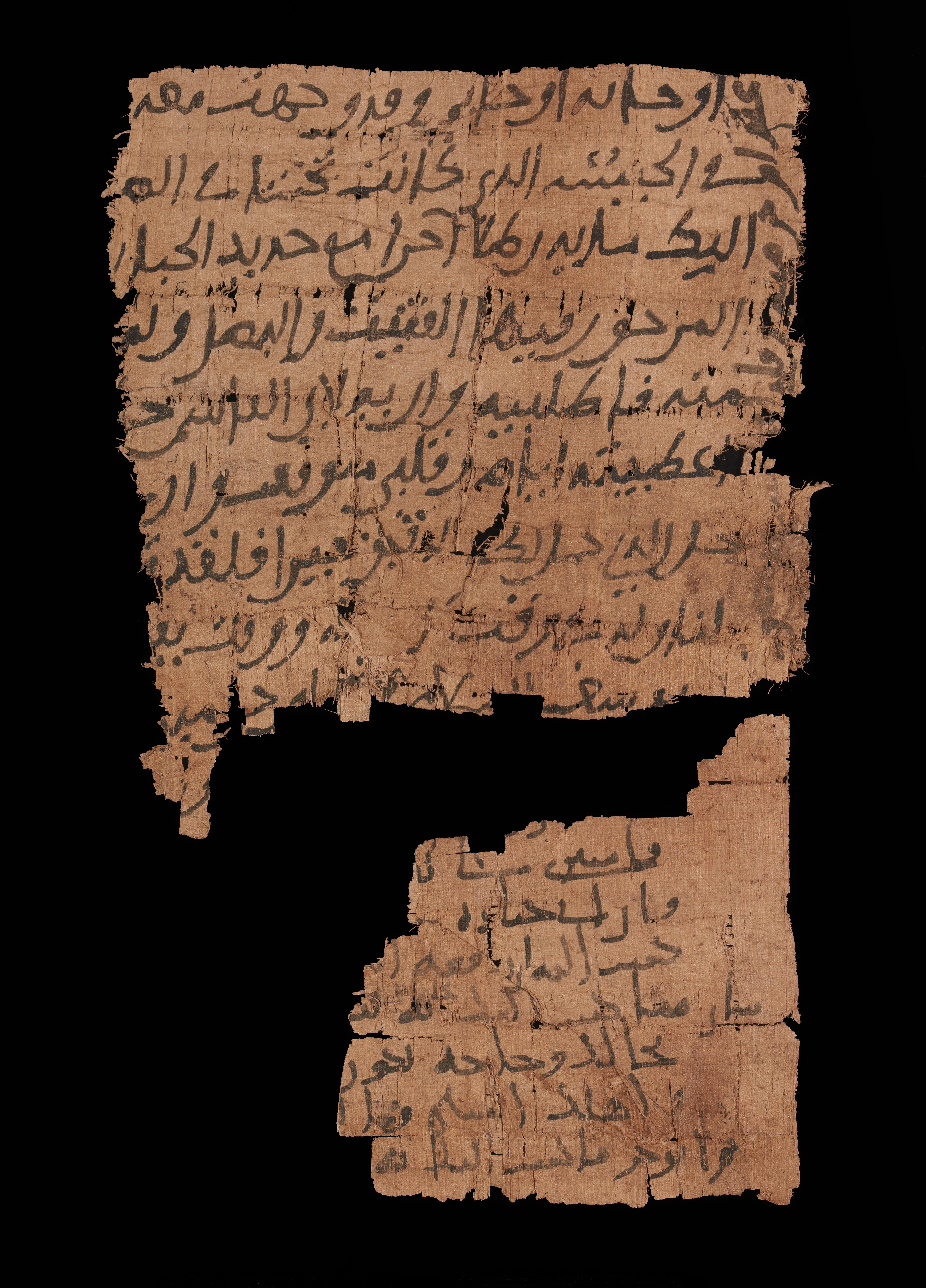
Two papyrus fragments with Naskh calligraphy
Presumably Egypt; 8th–9th century
H: 17; W: 15.5 cm (18a/2016)
H: 9.8; W: 10.5 cm (18b/2016)
H: 9.8; W: 10.5 cm (18b/2016)
Inventory number 18a-b/2016
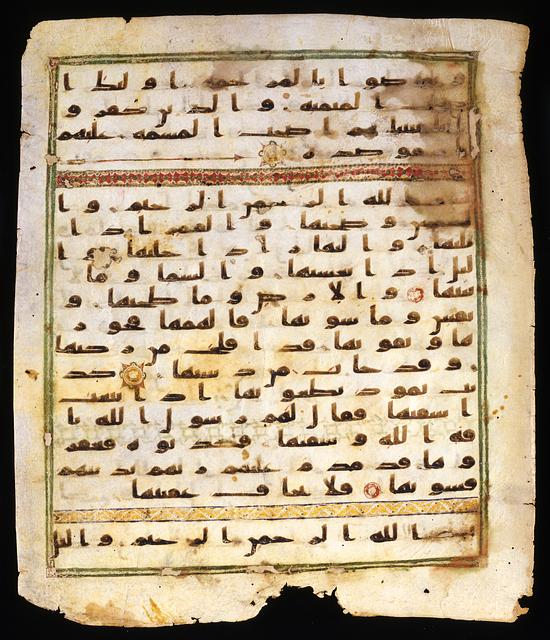
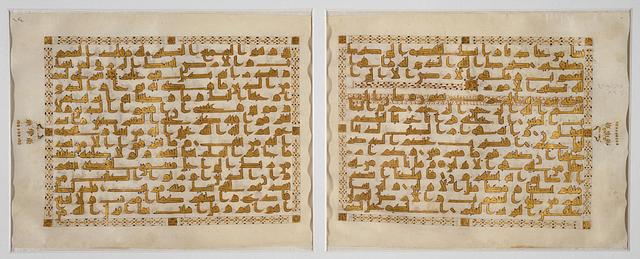
Concurrently with the many elaborate variants of the Kufi script known from early Koranic manuscripts, an informal cursive script for everyday use also emerged. This type of script is called Naskh, and it gave the individual scribe a much freer hand in determining the shape and proportions of the letters, enabling scribes to write faster and with far greater ease than the angular, carefully standardised Kufi script allowed.
These two papyrus fragments feature examples of Naskh as the script typically appeared in the eighth and ninth centuries. The condition of both fragments is too poor to allow the proper meaning of the content to be deciphered. However, the largest fragment appears to be a merchant’s letter regarding payment for a batch of goods, while the smaller may simply be a writing exercise. The smaller fragment is likely to be the older of the two, as the letters still retain some of the angularity of Kufi calligraphy.
In the tenth century, the many different forms of Naskh script were standardised in the form of six calligraphic cursive scripts with fixed proportions, which from that point on were also used in Koranic manuscripts, often in combination with Kufi script (47a-b/2000).
The fact that both these texts are written on papyrus links them to Egypt. Unlike the rest of the Islamic world, Egypt continued to use this writing material, made out of finely cut and pressed plant fibres, up until the tenth century, at which point it was replaced by paper.
These two papyrus fragments feature examples of Naskh as the script typically appeared in the eighth and ninth centuries. The condition of both fragments is too poor to allow the proper meaning of the content to be deciphered. However, the largest fragment appears to be a merchant’s letter regarding payment for a batch of goods, while the smaller may simply be a writing exercise. The smaller fragment is likely to be the older of the two, as the letters still retain some of the angularity of Kufi calligraphy.
In the tenth century, the many different forms of Naskh script were standardised in the form of six calligraphic cursive scripts with fixed proportions, which from that point on were also used in Koranic manuscripts, often in combination with Kufi script (47a-b/2000).
The fact that both these texts are written on papyrus links them to Egypt. Unlike the rest of the Islamic world, Egypt continued to use this writing material, made out of finely cut and pressed plant fibres, up until the tenth century, at which point it was replaced by paper.
Published in
Published in
Millon, Paris: Arts d’orient & orientalisme, lundi 28 novembre 2016, p. 89, lot 187;
Joachim Meyer, Rasmus Bech Olsen and Peter Wandel: Beyond words: calligraphy from the World of Islam, The David Collection, Copenhagen 2024, cat. 14, p. 138;
Joachim Meyer, Rasmus Bech Olsen and Peter Wandel: Beyond words: calligraphy from the World of Islam, The David Collection, Copenhagen 2024, cat. 14, p. 138;