L.A. Ring (1854–1933)
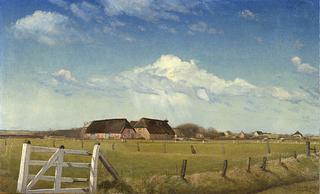
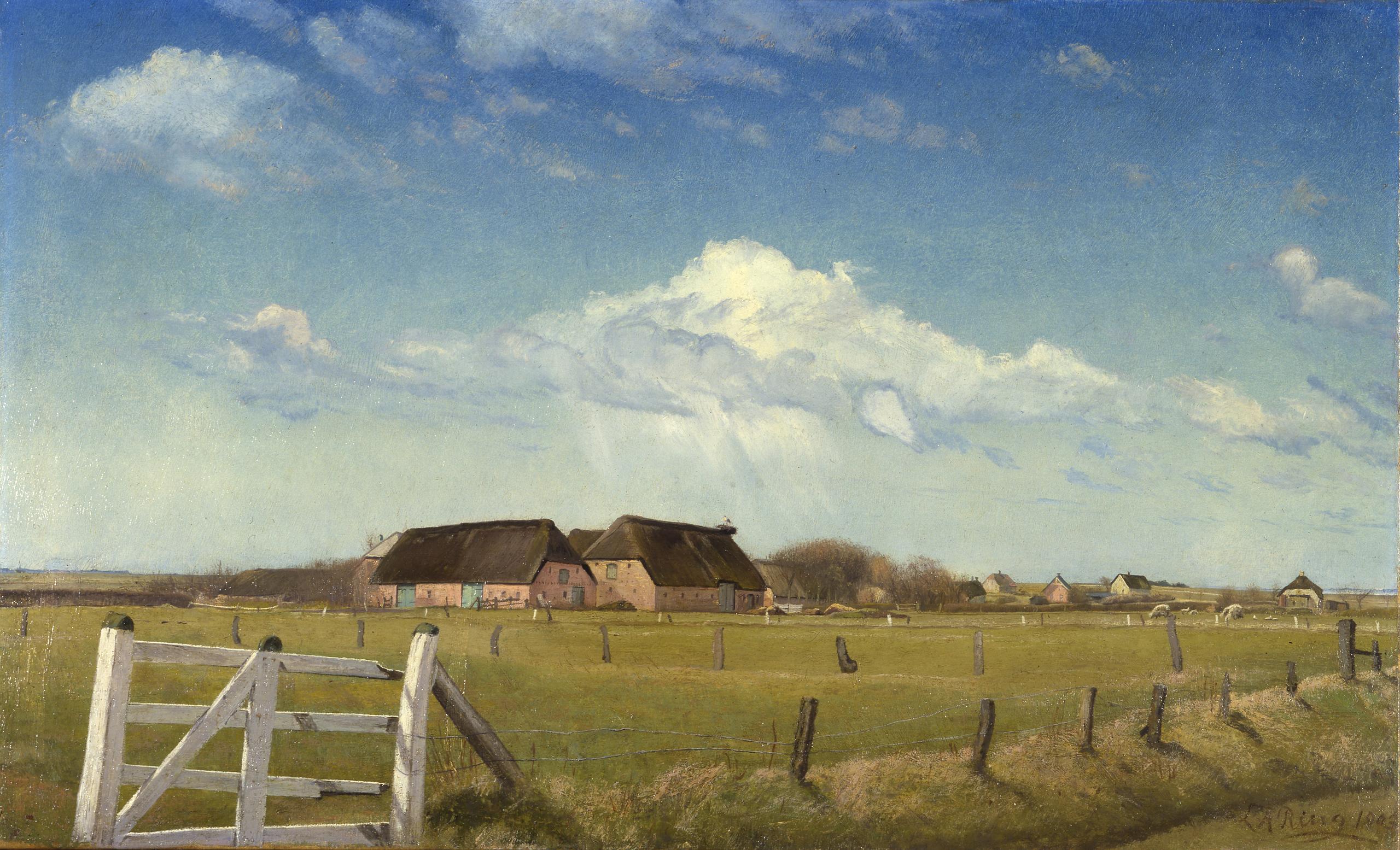
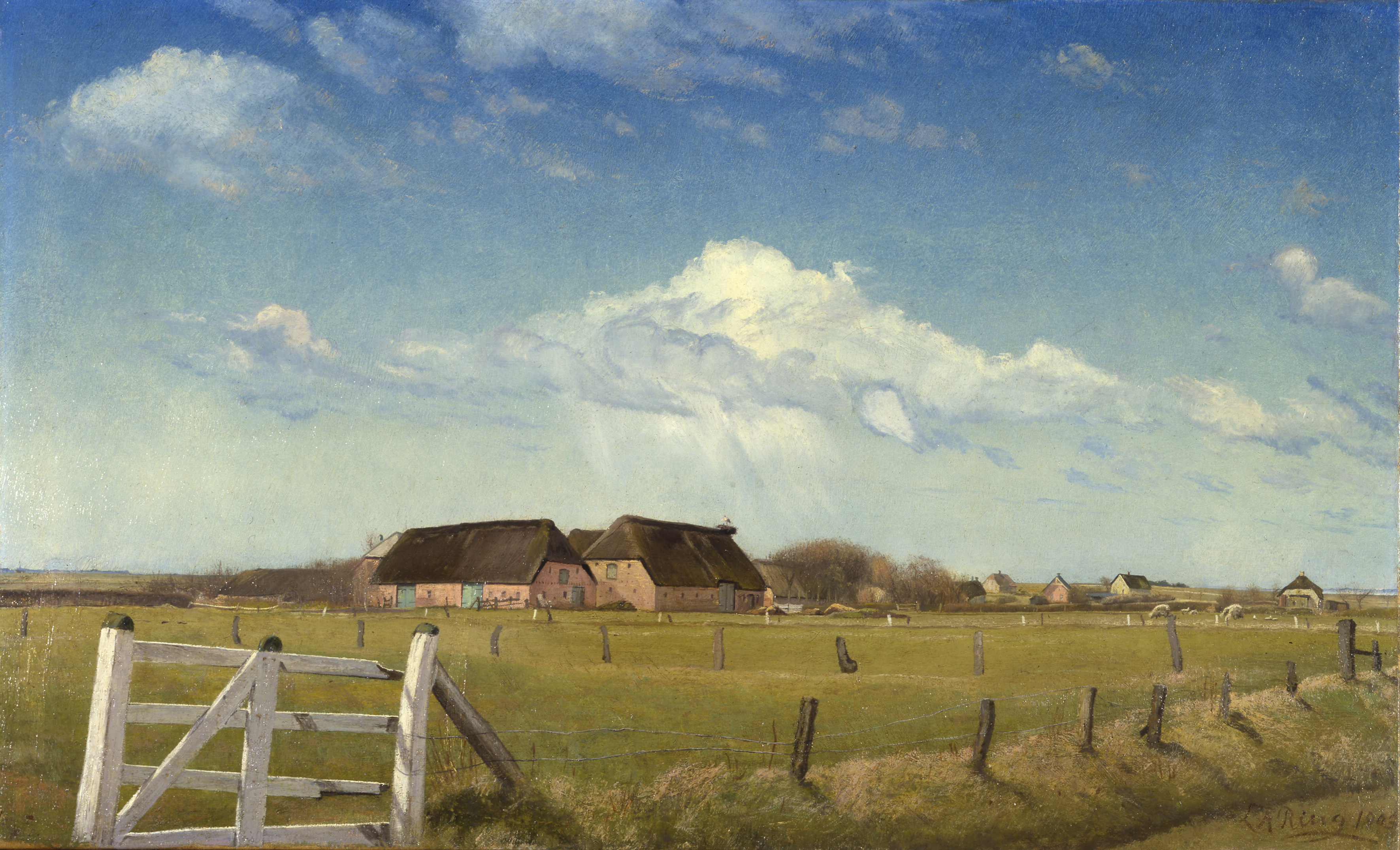
Fenced-in Pastures by a Farm with a Stork’s Nest on the Roof, Skærbæk, 1903
Oil on canvas
57.5 x 94.5 cm
Inventory number B 410
In the spring of 1903, L.A. Ring set out for Skærbæk in Southern Jutland, where he stayed for three weeks. The purpose of the trip was to fulfil a commission: a painting intended as a silver wedding present for the Copenhagen ophthalmologist and professor, Jannik P. Bjerrum, who was born in Skærbæk. Ring depicted Bjerrum’s childhood home in overcast weather, but he also painted other motifs from the area during his stay, including Fenced-in Pastures by a Farm with a Stork's Nest on the Roof, Skærbæk.
A warm atmosphere pervades this painting with its green meadows, the thatched farmhouse with a stork’s nest on the roof and the pale blue sky with drifting white clouds. As is often the case with Ring, his motif can be interpreted in different ways depending on the eyes that see. In part, the image is an objective, realistic rendering of a rural idyll, based on thorough observations and an excellent sense of detail. But it is also a picture full of pronounced symbolism, where the worn, white gate with the missing rails and the sequence of old fence posts in the foreground play a significant role as evocative elements in the otherwise carefully balanced composition.
The light-filled image differs markedly from Ring’s early grey-toned, socially and politically committed works which often focused on working people and the living conditions of the rural population. Several have suggested that one reason may be that by this time Ring had found inner peace in spite of his otherwise restless nature, having married Sigrid Kähler in 1896.1
C. L. David acquired the painting in 1925. In the following decades the collection of Danish art grew gradually, but the present painting remained the only one by L.A. Ring in The David Collection.
A warm atmosphere pervades this painting with its green meadows, the thatched farmhouse with a stork’s nest on the roof and the pale blue sky with drifting white clouds. As is often the case with Ring, his motif can be interpreted in different ways depending on the eyes that see. In part, the image is an objective, realistic rendering of a rural idyll, based on thorough observations and an excellent sense of detail. But it is also a picture full of pronounced symbolism, where the worn, white gate with the missing rails and the sequence of old fence posts in the foreground play a significant role as evocative elements in the otherwise carefully balanced composition.
The light-filled image differs markedly from Ring’s early grey-toned, socially and politically committed works which often focused on working people and the living conditions of the rural population. Several have suggested that one reason may be that by this time Ring had found inner peace in spite of his otherwise restless nature, having married Sigrid Kähler in 1896.1
C. L. David acquired the painting in 1925. In the following decades the collection of Danish art grew gradually, but the present painting remained the only one by L.A. Ring in The David Collection.
Published in
Published in
Cai M. Woel: L.A. Ring. Et levnedsrids, København 1937, p. 64;
Erik Zahle: ”Billedkunst” in C.L. Davids Samling. Nogle Studier, [1], København 1948, pp. 209, 244-245;
Mikael Wivel in Kjeld von Folsach and Nana Lund (eds.): Dansk kunst i Davids Samling – fra Philipsen til Saxbo, København 1955, cat.no. 43, pp. 114-115;
Peter Nørgaard Larsen et al.: L.A. Ring - på kanten af verden, Statens Museum for Kunst, København 2006, cat.no. 62, pp. 108-109, 241;
Gertrud Oelsner and Gry Hedin (eds.): Jordforbindelser. Dansk maleri 1780-1920 og det antropocæne landskab, Aarhus 2018, ill. 7, p. 18-19;
Henrik Wivel: L.A. Ring. Det glasklare hjerte. En biografi om L.A. Ring, København 2020, fig. 143, pp. 213, 215;
Kathrin Baumstark (ed.): Nolde und der Norden, Bucerius KUNST Forum, Hamburg 2021, cat.no. 64, p. 156;
Erik Zahle: ”Billedkunst” in C.L. Davids Samling. Nogle Studier, [1], København 1948, pp. 209, 244-245;
Mikael Wivel in Kjeld von Folsach and Nana Lund (eds.): Dansk kunst i Davids Samling – fra Philipsen til Saxbo, København 1955, cat.no. 43, pp. 114-115;
Peter Nørgaard Larsen et al.: L.A. Ring - på kanten af verden, Statens Museum for Kunst, København 2006, cat.no. 62, pp. 108-109, 241;
Gertrud Oelsner and Gry Hedin (eds.): Jordforbindelser. Dansk maleri 1780-1920 og det antropocæne landskab, Aarhus 2018, ill. 7, p. 18-19;
Henrik Wivel: L.A. Ring. Det glasklare hjerte. En biografi om L.A. Ring, København 2020, fig. 143, pp. 213, 215;
Kathrin Baumstark (ed.): Nolde und der Norden, Bucerius KUNST Forum, Hamburg 2021, cat.no. 64, p. 156;
Footnotes
Footnotes
1.
As has been pointed out by e.g. Henrik Wivel in L.A. Ring. Det glasklare hjerte. En biografi om L.A. Ring, Copenhagen 2020, pp. 149–154.
Paintings and drawings
Joakim Skovgaard (1856–1933)
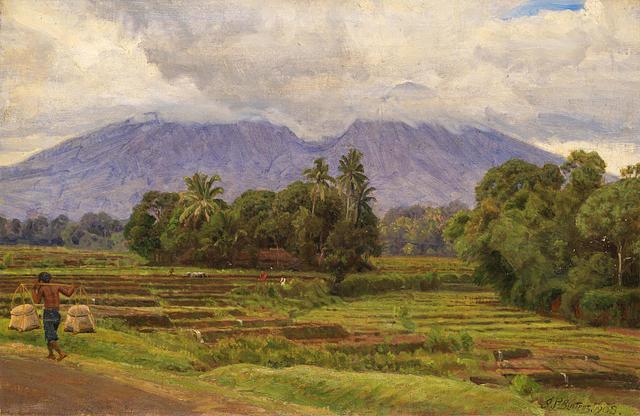
Evening Falls. Indigenous Houses on the Outskirts of Buitenzorg, Java, 1908
Oil on canvas
Evening Falls. Indigenous Houses on the Outskirts of Buitenzorg, Java, 1908
Oil on canvas
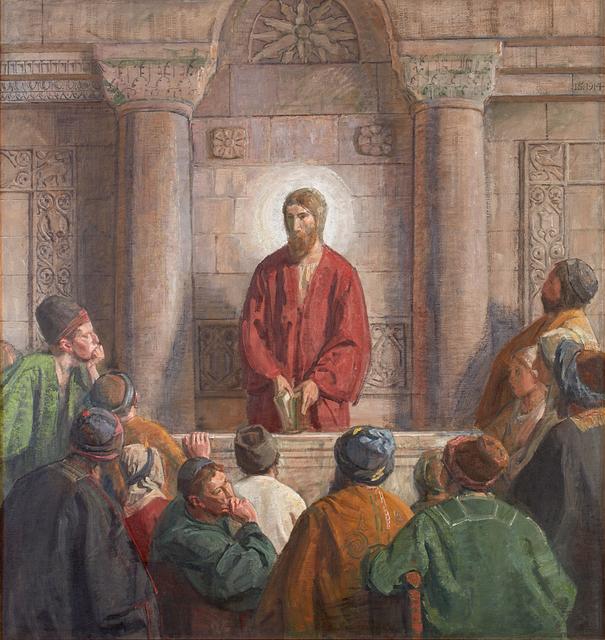
Joakim Skovgaard (1856–1933)
Jesus in the Synagogue, 1914
Oil on canvas
Jesus in the Synagogue, 1914
Oil on canvas
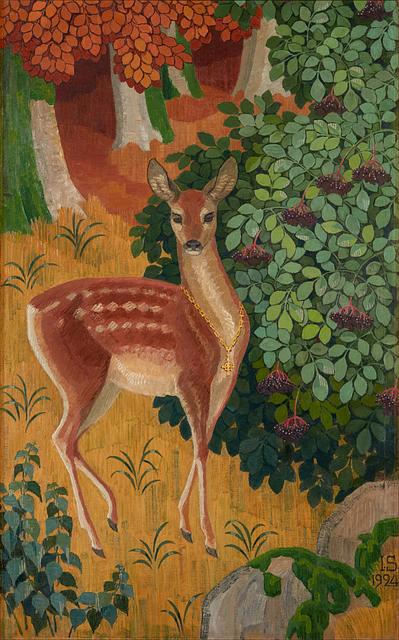
Joakim Skovgaard (1856–1933)
The Maiden in the Deerskin, 1924
Oil on canvas
The Maiden in the Deerskin, 1924
Oil on canvas
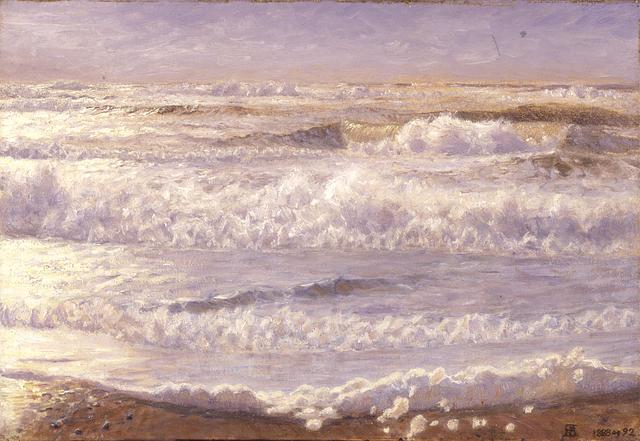
Niels Skovgaard (1858–1938)
”Th’ Sea”. Sunshine, 1888 and 1892
Olie på lærred
”Th’ Sea”. Sunshine, 1888 and 1892
Olie på lærred