Earthenware bowl, painted in lustre over an opaque, white glaze
Iraq; 10th century
H: 6.5; Diam: 23.7 cm
Inventory number 44/1967
The same repertoire of animals that is found on other types of materials under the Abbasids adorned lustreware. These animals are most often depicted with great stylization and are frequently found in ornamental progressions.
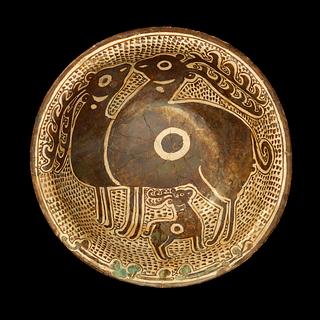
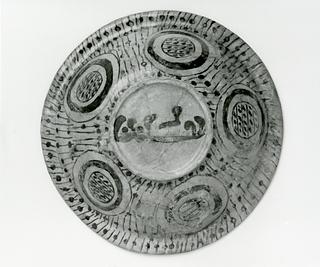
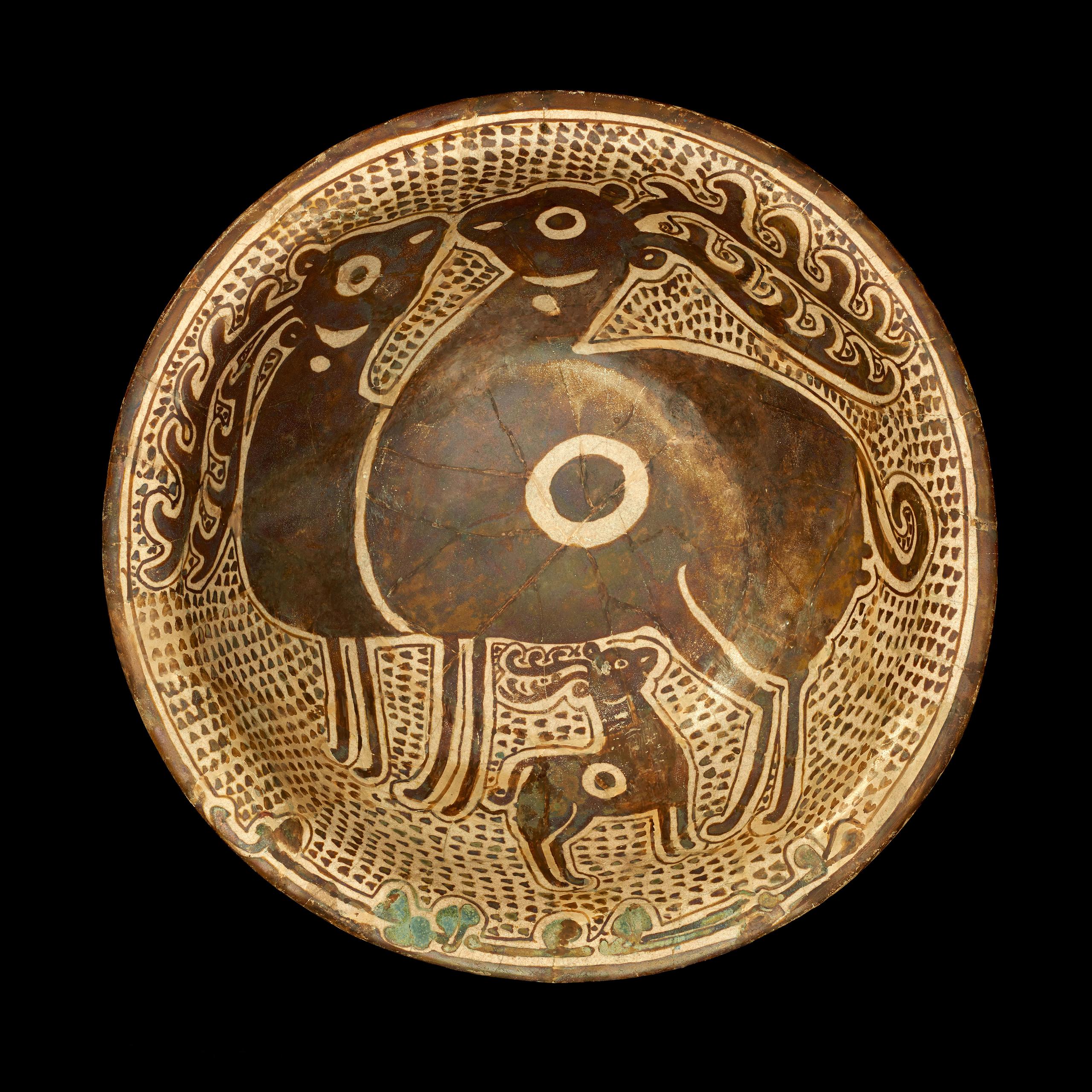
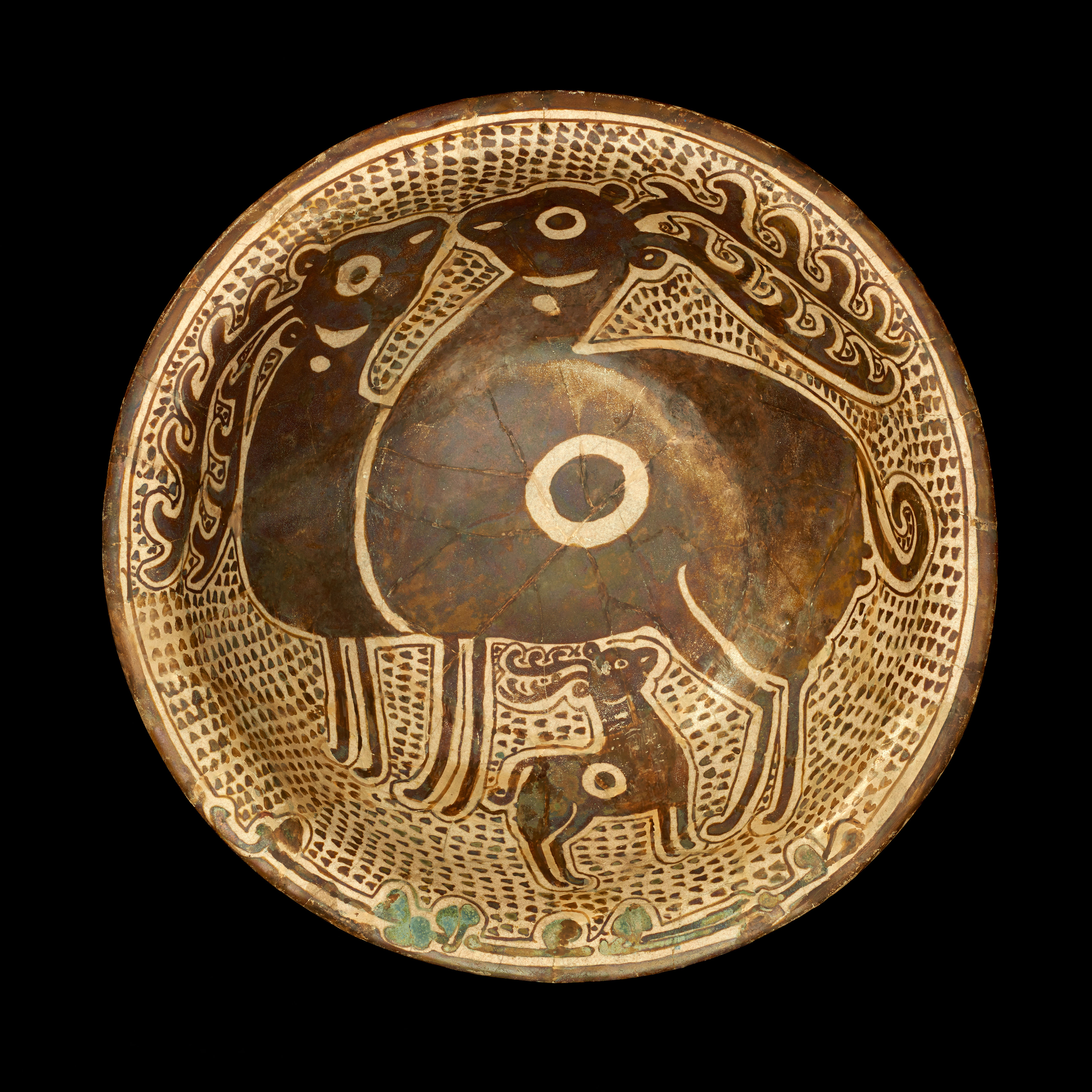
What is unusual is this bowl’s “family scene,” consisting of two adult deer and a fawn. The adults, whose antlers elegantly follow the rim of the bowl, are even placed so that there seems to be a kind of communication between them.
The rim holds an Arabic inscription that is difficult to interpret, though it does seem to contain the word for blessing.
What is unusual is this bowl’s “family scene,” consisting of two adult deer and a fawn. The adults, whose antlers elegantly follow the rim of the bowl, are even placed so that there seems to be a kind of communication between them.
The rim holds an Arabic inscription that is difficult to interpret, though it does seem to contain the word for blessing.
Published in
Published in
Jean Soustiel: “Introduction à l´art musulman: la céramique reflet de l´islam” in Art et curiosite, 1970;
C .L. Davids Samling. Fjerde Del : Jubilæumsskrift 1945-70, København 1970, cat.no. 34, pp. 156-157;
André Leth: Davids Samling. Islamisk kunst = The David Collection. Islamic Art, København 1975, p. 2;
Annika Richert (ed.): Islam: konst och kultur / art and culture, Statens historiska museum, Stockholm 1985, p. 115, cat.no. 27;
Art from the World of Islam. 8th-18th century, Louisiana, Humlebæk 1987, cat.no. 24;
Kjeld von Folsach: Islamic art. The David Collection, Copenhagen 1990, cat.no. 66;
Kjeld von Folsach: Art from the World of Islam in The David Collection, Copenhagen 2001, cat.no. 110;
Farzaneh Pirouz-Moussavi: Cerámica entre dos mares: De Bagdad a la talavera de Puebla = Clay between two seas: from Baghdad to the talavera of Puebla, Mexico 2017, p. 43;
C .L. Davids Samling. Fjerde Del : Jubilæumsskrift 1945-70, København 1970, cat.no. 34, pp. 156-157;
André Leth: Davids Samling. Islamisk kunst = The David Collection. Islamic Art, København 1975, p. 2;
Annika Richert (ed.): Islam: konst och kultur / art and culture, Statens historiska museum, Stockholm 1985, p. 115, cat.no. 27;
Art from the World of Islam. 8th-18th century, Louisiana, Humlebæk 1987, cat.no. 24;
Kjeld von Folsach: Islamic art. The David Collection, Copenhagen 1990, cat.no. 66;
Kjeld von Folsach: Art from the World of Islam in The David Collection, Copenhagen 2001, cat.no. 110;
Farzaneh Pirouz-Moussavi: Cerámica entre dos mares: De Bagdad a la talavera de Puebla = Clay between two seas: from Baghdad to the talavera of Puebla, Mexico 2017, p. 43;
Ceramics
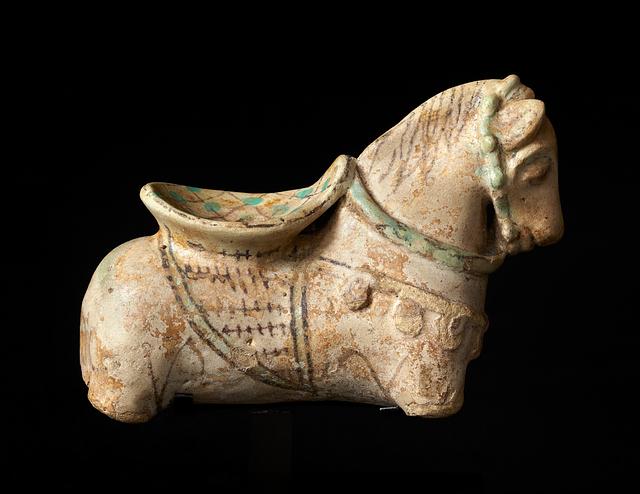
Fragmented figure of a horse, earthenware covered with a whitish slip and painted in green and manganese under a slightly toned, poorly preserved glaze
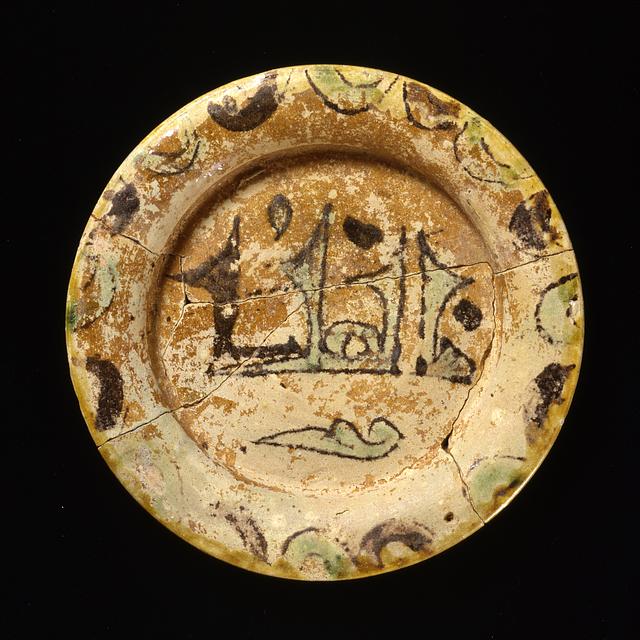
Earthenware dish, decorated with green and manganese
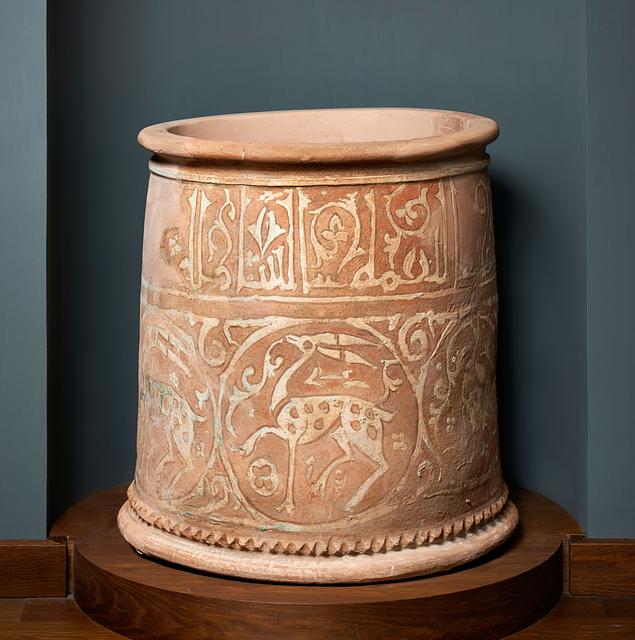
Wellhead, earthenware painted in green and a manganese-colored glaze
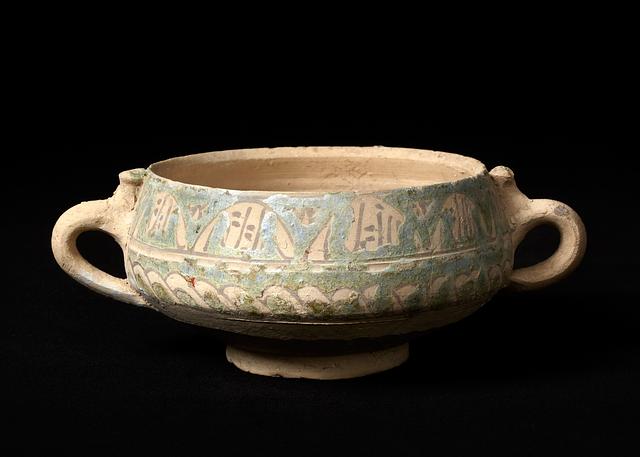
Earthenware bowl with handles, painted with a green and manganese glaze