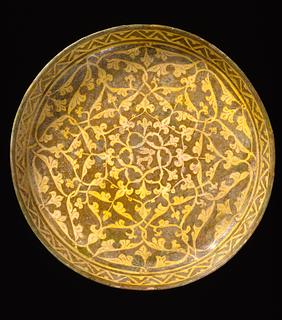
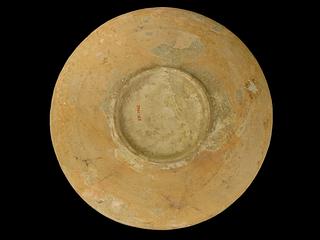
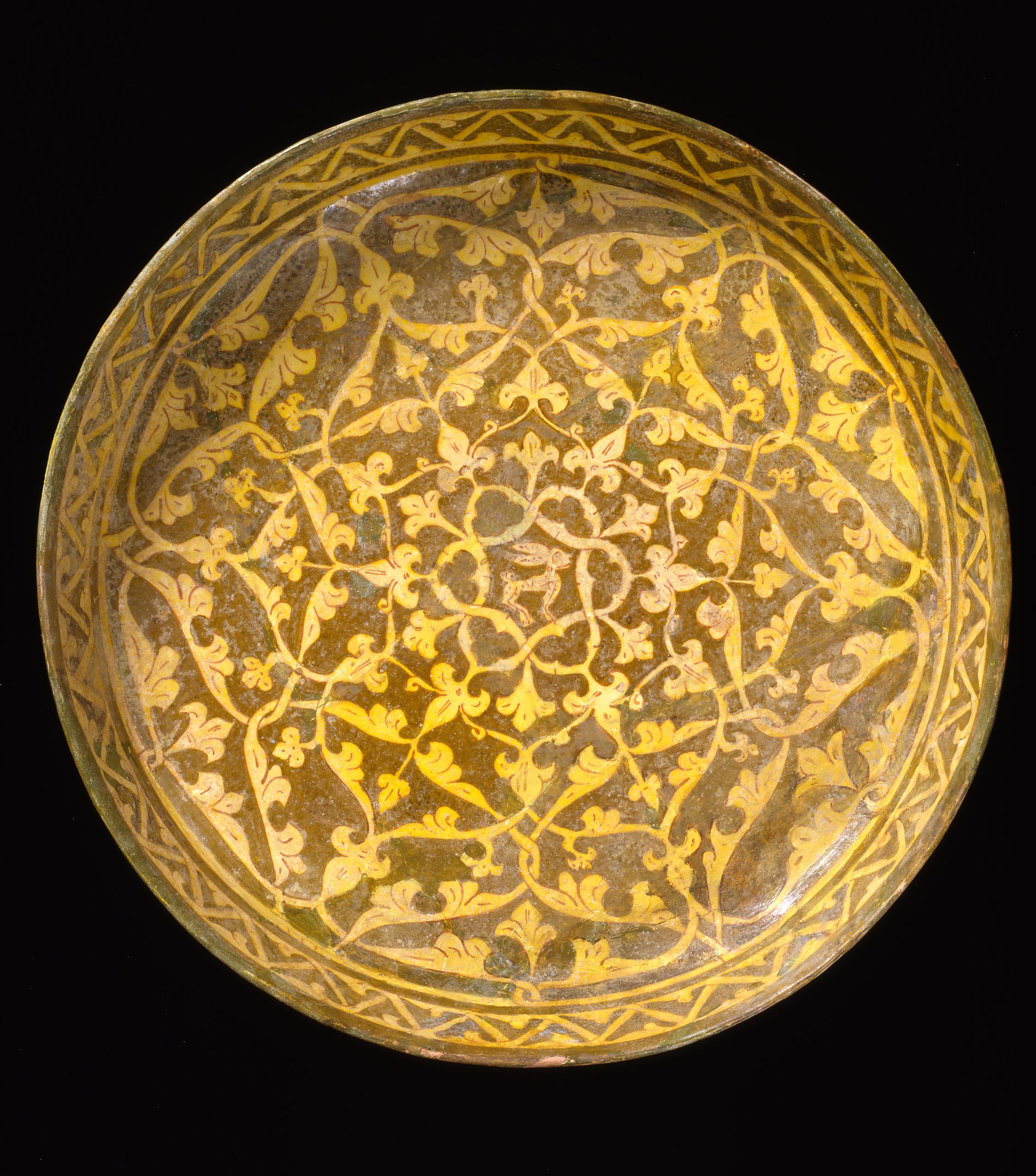
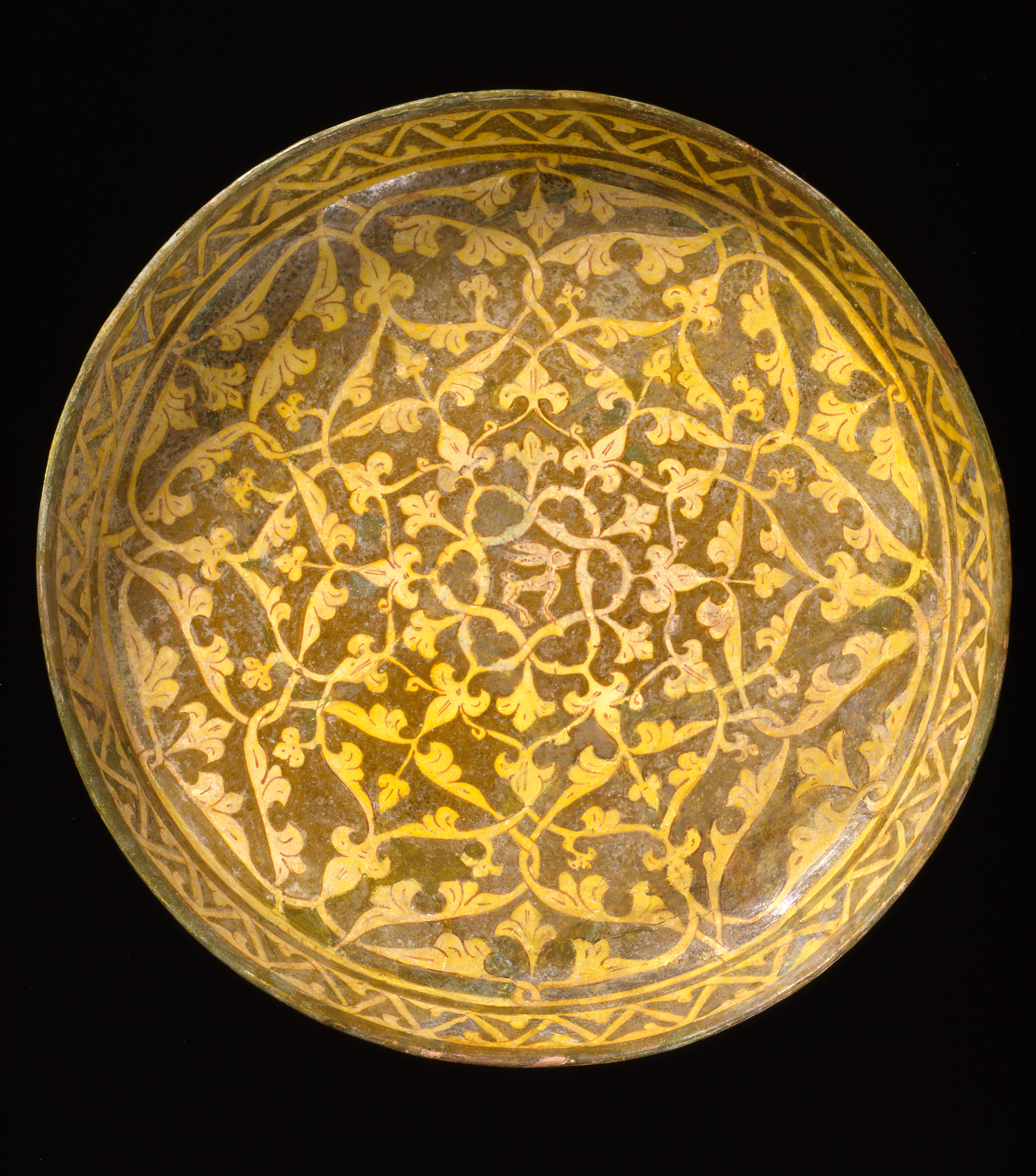
Earthenware dish, covered with a white slip and painted in red and in an olive-green slip under a yellowish glaze
Eastern Iran, Nishapur; 10th-11th century
H: 8; Diam: 38 cm
Inventory number 27/1962
This dish is unusual in several respects. First of all, the decoration in white with red contours was reserved, i.e. the background was painted and not the pattern. The glaze’s yellowish tint came from the olive-green slip.
Secondly, the decoration on this dish and a related bronze dish are among the earliest examples of an arabesque (the stylized vegetal ornamentation that gives rise to an infinite number of new branches), which was to become one of Islamic art’s most frequent motifs. In this early arabesque, the most distinctive element is a large winged palmette, which is also found in Sasanian art.
Secondly, the decoration on this dish and a related bronze dish are among the earliest examples of an arabesque (the stylized vegetal ornamentation that gives rise to an infinite number of new branches), which was to become one of Islamic art’s most frequent motifs. In this early arabesque, the most distinctive element is a large winged palmette, which is also found in Sasanian art.
Published in
Published in
Jean Soustiel: “Introduction à l´art musulman: la céramique reflet de l´islam” in Art et curiosite, 1970;
C .L. Davids Samling. Fjerde Del : Jubilæumsskrift 1945-70, København 1970, cat.no. 30, p. 151;
Art from the World of Islam. 8th-18th century, Louisiana, Humlebæk 1987, cat.no. 38;
Kjeld von Folsach: Islamic art. The David Collection, Copenhagen 1990, cat.no.77;
Kjeld von Folsach, Torben Lundbæk and Peder Mortensen (eds.): Sultan, Shah and Great Mughal: the history and culture of the Islamic world, The National Museum, Copenhagen 1996, cat.no. 54;
Kjeld von Folsach: Art from the World of Islam in The David Collection, Copenhagen 2001, cat.no. 124;
Sheila S. Blair and Jonathan M. Bloom (eds.): Cosmophilia. Islamic Art from the David Collection, Copenhagen, McMullen Museum of Art, Boston College, Boston 2006, cat.no. 97;
C .L. Davids Samling. Fjerde Del : Jubilæumsskrift 1945-70, København 1970, cat.no. 30, p. 151;
Art from the World of Islam. 8th-18th century, Louisiana, Humlebæk 1987, cat.no. 38;
Kjeld von Folsach: Islamic art. The David Collection, Copenhagen 1990, cat.no.77;
Kjeld von Folsach, Torben Lundbæk and Peder Mortensen (eds.): Sultan, Shah and Great Mughal: the history and culture of the Islamic world, The National Museum, Copenhagen 1996, cat.no. 54;
Kjeld von Folsach: Art from the World of Islam in The David Collection, Copenhagen 2001, cat.no. 124;
Sheila S. Blair and Jonathan M. Bloom (eds.): Cosmophilia. Islamic Art from the David Collection, Copenhagen, McMullen Museum of Art, Boston College, Boston 2006, cat.no. 97;
Ceramics
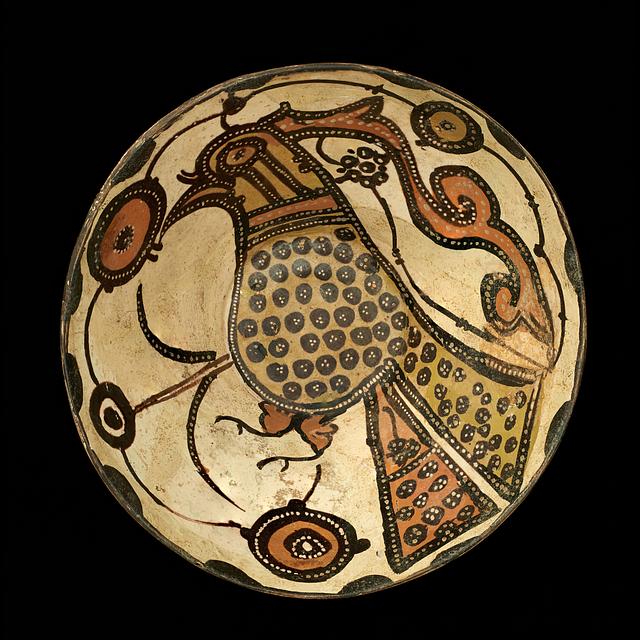
Earthenware bowls covered with a whitish slip and painted with colored slips under a transparent glaze
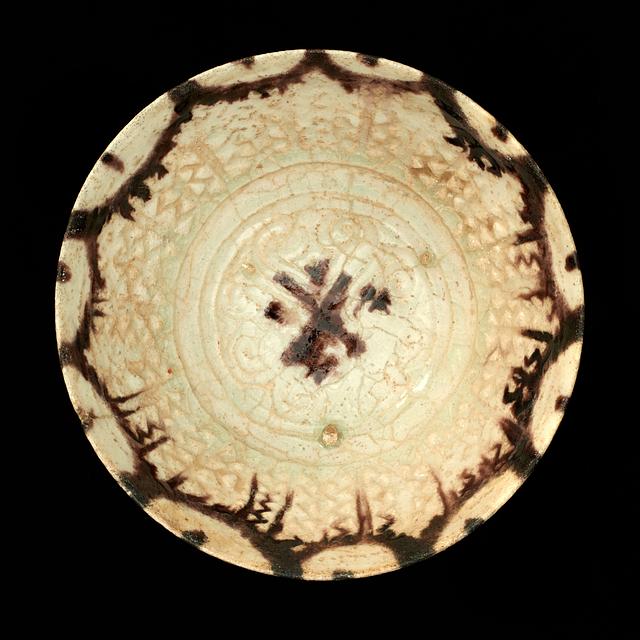
Fritware bowl, molded and painted in manganese in a transparent glaze (Bamiyan type)
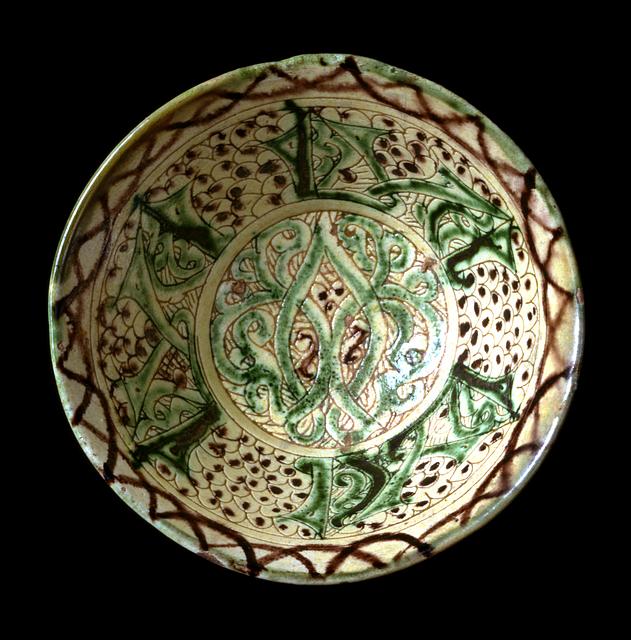
Earthenware bowl with incised decoration in a white slip and painted in green and manganese in a yellowish glaze (Bamiyan type)
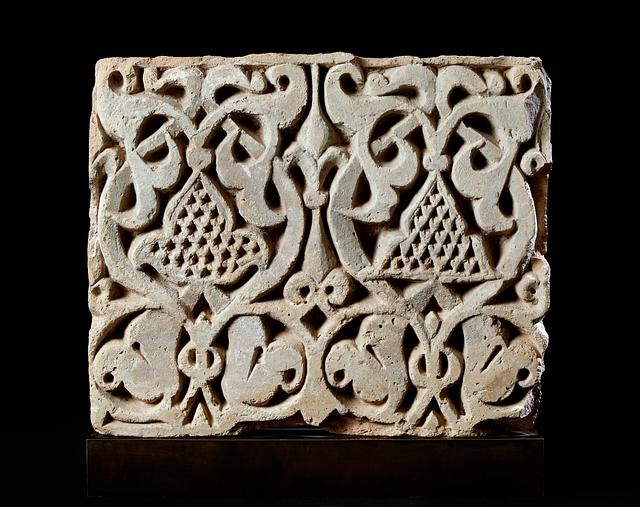
Architectural relief, carved, unglazed earthenware