Christen Købke (1810–1848)
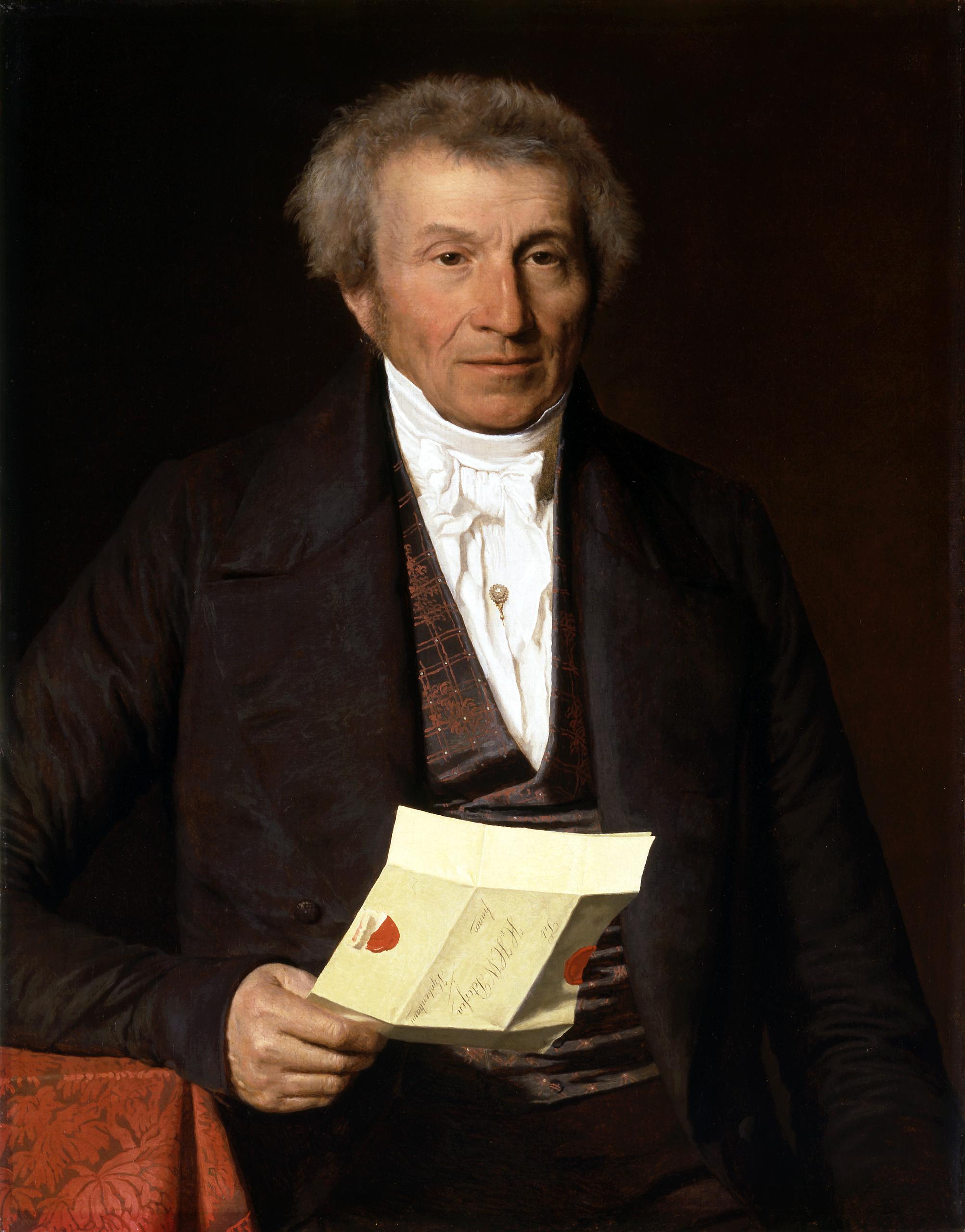
The Grocer H.W. Petersen, 1838
Oil on canvas
94 x 73 cm
Inventory number B 360
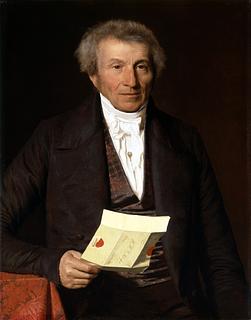
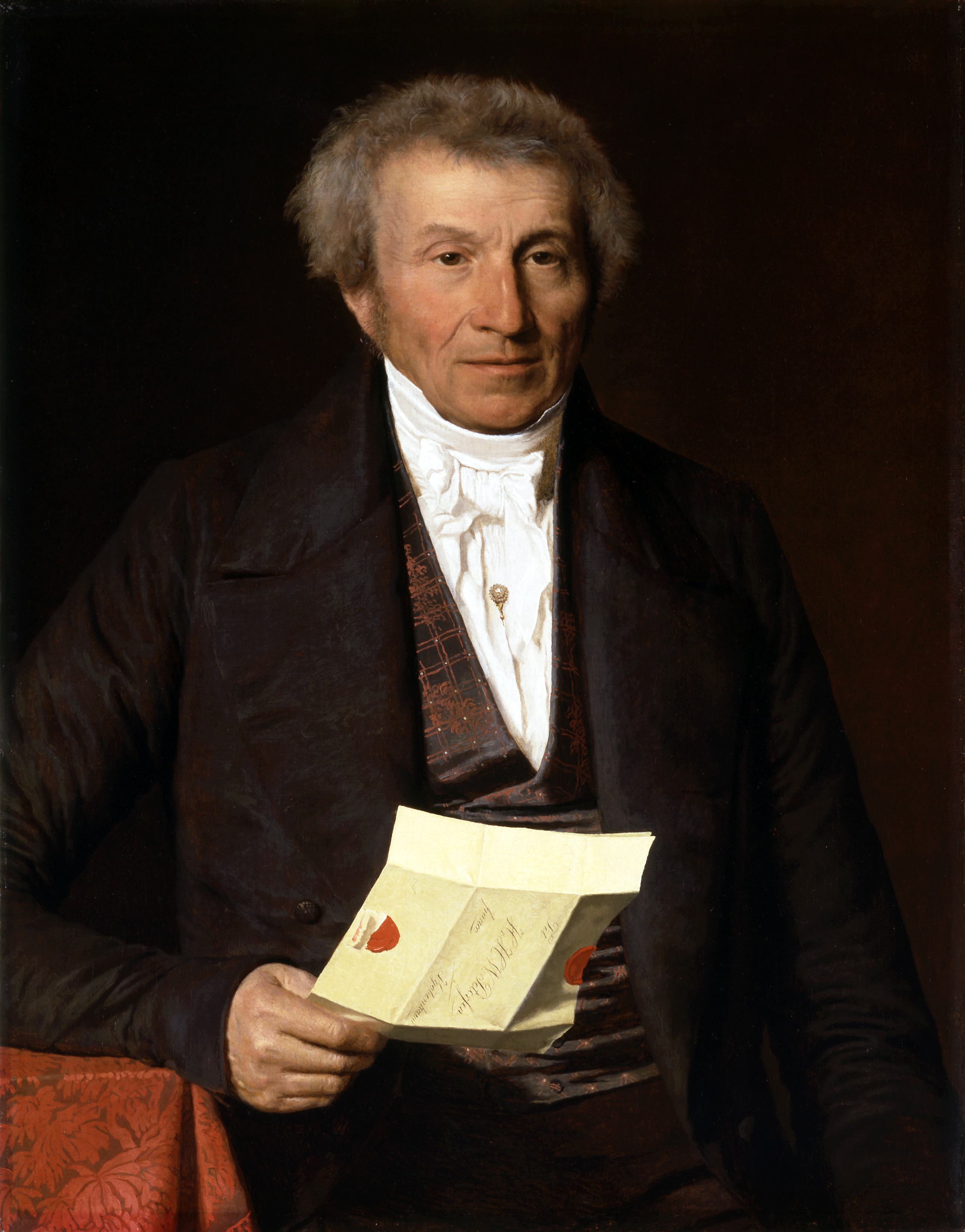
Christen Købke’s life-sized portrait shows a seated gentleman. The carefully composed painting is kept in muted shades throughout, from the dark jacket, the reddish brocade waistcoat to the white shirt and the red tablecloth in the lower right corner. Prominent features include the man’s dishevelled, greying hair, the open letter in his right hand and his cool, almost absent look. As observers, we get the feeling of having disturbed the man in his reading of the letter, which is addressed to Mr H.W. Petersen, Copenhagen.
The portrait depicts Købke’s maternal uncle, the grocer Hans Wilhelm Petersen (1770–1847) at the age of 68. He became a grocer in 1798, and the following year he set up business in Klædeboderne (now Skindergade) in Copenhagen. Later, the business moved to ‘Gardergaarden’ in Vestergade, and over several decades, the grocer amassed a considerable fortune.1 His prosperity can be sensed in Købke’s portrait, which was executed eight years after he passed on his business to one of his sons, Christian Frederik Petersen, who was Købke’s cousin as well as brother-in-law, and whom he portrayed in 1833.2
The portrait was created during a productive period in Købke’s brief life when he often chose sitters among his family, fellow artists and friends when creating portraits. These were predominantly small and intimate. At the same time, Købke also moved towards a more monumental and representative idiom as he, during these years, received directions offered by the Danish sculptor H.E. Freund (1786–1840).3
C.L. David acquired the portrait in 1940. Out of the five works by Købke in The David Collection, this is the only one personally acquired by its founder.
The portrait depicts Købke’s maternal uncle, the grocer Hans Wilhelm Petersen (1770–1847) at the age of 68. He became a grocer in 1798, and the following year he set up business in Klædeboderne (now Skindergade) in Copenhagen. Later, the business moved to ‘Gardergaarden’ in Vestergade, and over several decades, the grocer amassed a considerable fortune.1 His prosperity can be sensed in Købke’s portrait, which was executed eight years after he passed on his business to one of his sons, Christian Frederik Petersen, who was Købke’s cousin as well as brother-in-law, and whom he portrayed in 1833.2
The portrait was created during a productive period in Købke’s brief life when he often chose sitters among his family, fellow artists and friends when creating portraits. These were predominantly small and intimate. At the same time, Købke also moved towards a more monumental and representative idiom as he, during these years, received directions offered by the Danish sculptor H.E. Freund (1786–1840).3
C.L. David acquired the portrait in 1940. Out of the five works by Købke in The David Collection, this is the only one personally acquired by its founder.
Published in
Published in
Katalog over Malerier og Studier af Christen Schiellerup Købke, Udstillede i Kunstforeningen i Foraaret 1884, Kunstforeningen, København 1884, cat. 68, p. 11;
Emil Hannover: Maleren Christen Købke: En Studie i dansk Kunsthistorie, København 1893, p. 92 and cat. 102, p. 144;
Raadhus Udstillingen af Dansk Kunst 1901, Fortegnelse over de udstillede Arbejder, København 1901, cat. 1069;
Fortegnelse over Christen Købkes Malerier: Kunstforeningen Marts-April 1912, København 1912, cat. 126;
Mario Krohn: Maleren Christen Købkes Arbejder, København 1915, no. 128, p. 85;
Th. Hauch-Fausbøll og P. Fr. Rist: Min Slægtebog, udg. Af Holger Petersen, København 1918, p. 42;
Jørn Rubow: Christen Købke, København 1945. Obs: no page
Erik Zahle: ”Billedkunst” i C.L. Davids Samling. Nogle Studier, [1], København 1948, pp. 205, 240-241;
Christen Købke: udstilling 31. januar – 28. februar 1953, Kunstforeningen, København 1953, cat. 69;
Dansk kunst og kunsthåndværk, Davids Samling, København 1972, p. 11 and plante 7;
Verner Jul Andersen: Dansk kunst og kunsthåndværk, Davids Samling, 2. ed., København 1983, cat. 425 and ill. p. 173;
Hans Edvard Nørregård-Nielsen and Kasper Monrad (eds.): Christen Købke, 1810-1848, Statens Museum for Kunst, København 1996, fig. 45, p. 73, p. 75 and cat. 128;
”[Guldalderen] : Færgemændene truer : de vil have betaling for postarbejdet” in Illustreret tidende : Guldalderen : billeder af danskernes liv, 2003, 8, p. 26;
Emil Hannover: Maleren Christen Købke: En Studie i dansk Kunsthistorie, København 1893, p. 92 and cat. 102, p. 144;
Raadhus Udstillingen af Dansk Kunst 1901, Fortegnelse over de udstillede Arbejder, København 1901, cat. 1069;
Fortegnelse over Christen Købkes Malerier: Kunstforeningen Marts-April 1912, København 1912, cat. 126;
Mario Krohn: Maleren Christen Købkes Arbejder, København 1915, no. 128, p. 85;
Th. Hauch-Fausbøll og P. Fr. Rist: Min Slægtebog, udg. Af Holger Petersen, København 1918, p. 42;
Jørn Rubow: Christen Købke, København 1945. Obs: no page
Erik Zahle: ”Billedkunst” i C.L. Davids Samling. Nogle Studier, [1], København 1948, pp. 205, 240-241;
Christen Købke: udstilling 31. januar – 28. februar 1953, Kunstforeningen, København 1953, cat. 69;
Dansk kunst og kunsthåndværk, Davids Samling, København 1972, p. 11 and plante 7;
Verner Jul Andersen: Dansk kunst og kunsthåndværk, Davids Samling, 2. ed., København 1983, cat. 425 and ill. p. 173;
Hans Edvard Nørregård-Nielsen and Kasper Monrad (eds.): Christen Købke, 1810-1848, Statens Museum for Kunst, København 1996, fig. 45, p. 73, p. 75 and cat. 128;
”[Guldalderen] : Færgemændene truer : de vil have betaling for postarbejdet” in Illustreret tidende : Guldalderen : billeder af danskernes liv, 2003, 8, p. 26;
Footnotes
Footnotes
1.
Hans Edvard Nørgaard-Nielsen and Kasper Monrad (eds.): Christen Købke 1810–1848, Statens Museum for Kunst, Copenhagen 1996, p. 75.
2.
Christen Købke, Portrait of the Artist´s Cousin and Brother-in-Law, the Grocer Christian Petersen, SMK, inv.no. KMS3159.
3.
For more, see Th. Hauch-Fausbøll and P. Fr. Rist: Min slægtebog, ed. by Holger Petersen, Copenhagen 1918, pp. 37–44.
Danish Paintings and Drawings
Johan Thomas Lundbye (1818–1848)
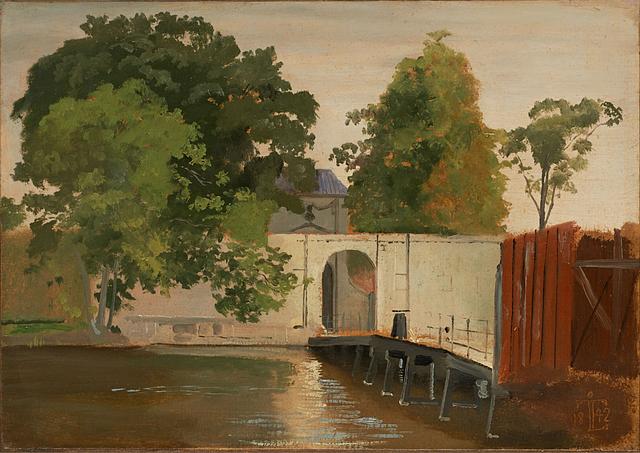
The Citadel Gate, 1842
Oil on paper
The Citadel Gate, 1842
Oil on paper
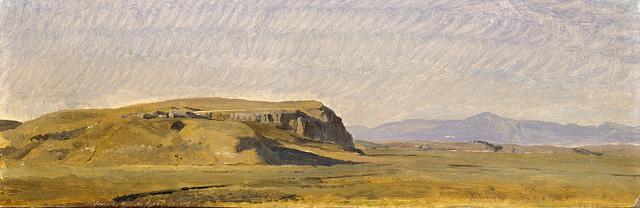
Johan Thomas Lundbye (1818–1848)
Landscape from the Campagna, 1845
Oil on paper
Landscape from the Campagna, 1845
Oil on paper
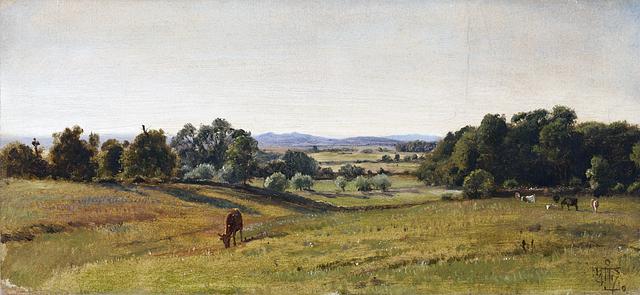
Johan Thomas Lundbye (1818–1848)
View from ‘Lundbye’s Mound’ in the Garden of Dortheaslyst, 1847
Oil on paper
View from ‘Lundbye’s Mound’ in the Garden of Dortheaslyst, 1847
Oil on paper
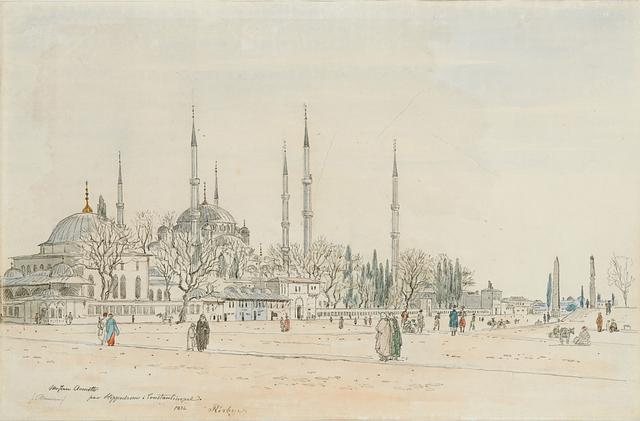
Martinus Rørbye (1803-1848)
The Mosque of Acmette at the Hippodrome in Constantinople, 1836
Pencil on paper, partly coloured
The Mosque of Acmette at the Hippodrome in Constantinople, 1836
Pencil on paper, partly coloured