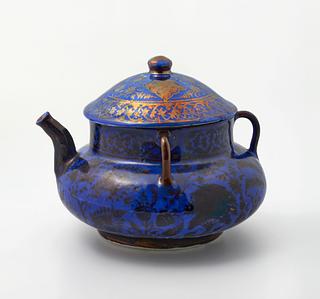
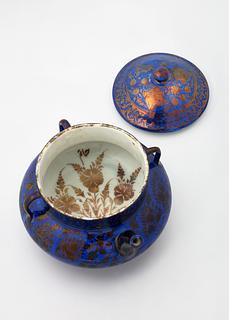
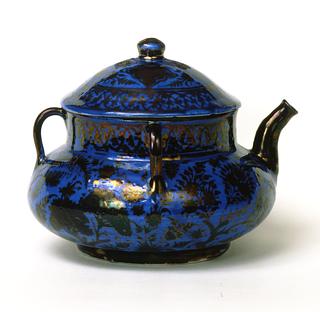
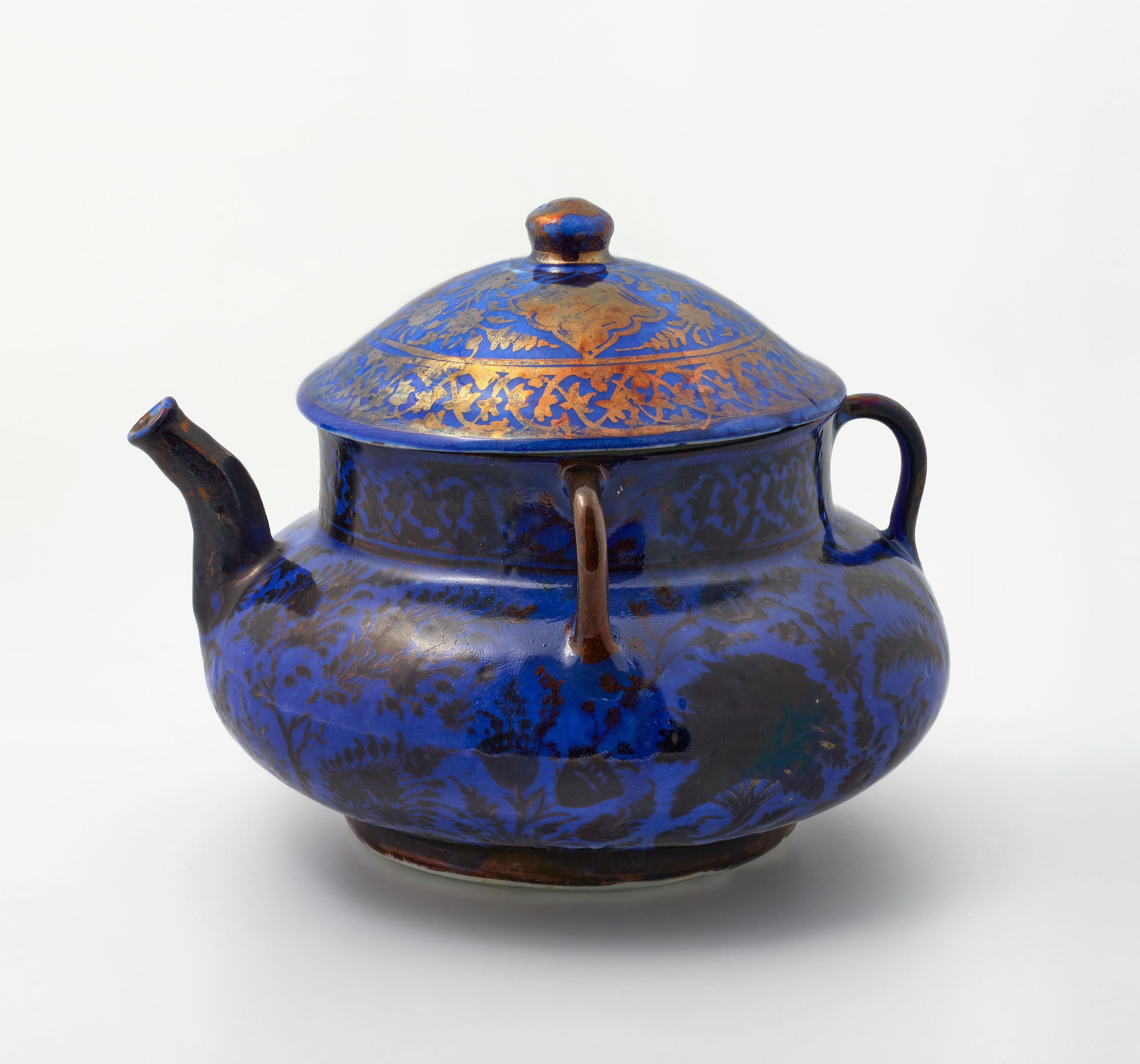
Fritware spouted jar with lid, covered with a blue slip and painted in lustre over a transparent glaze
Iran; 17th century
H: 14.5 cm
Inventory number 10/1988
Until c. 1300, lustre had been a popular type of decoration for utility ware in Iran, with Kashan as the most important center of production. Then the lustre technique evidently went out of fashion until it was “rediscovered” in 17th-century Iran.
Nonetheless, it remained a fairly rare form of decoration, especially in the combination of lustre against a blue ground. The jar’s fine vegetal decoration in lustre is also found on the inside, where a bouquet of flowers was painted on the bottom along with the painter’s signature, “Khatim.” This signature is also known from a few other pieces of utility ware decorated in lustre.
Nonetheless, it remained a fairly rare form of decoration, especially in the combination of lustre against a blue ground. The jar’s fine vegetal decoration in lustre is also found on the inside, where a bouquet of flowers was painted on the bottom along with the painter’s signature, “Khatim.” This signature is also known from a few other pieces of utility ware decorated in lustre.
Published in
Published in
Christie’s, London, 12/4-1988, lot 381;
Kjeld von Folsach: Islamic art. The David Collection, Copenhagen 1990, cat.no. 175;
Sheila S. Blair and Jonathan Bloom: The art and architecture of Islam, 1250-1800, New Haven 1994, fig. 227, p. 182;
Kjeld von Folsach: Art from the World of Islam in The David Collection, Copenhagen 2001, cat.no. 250;
Kjeld von Folsach: Islamic art. The David Collection, Copenhagen 1990, cat.no. 175;
Sheila S. Blair and Jonathan Bloom: The art and architecture of Islam, 1250-1800, New Haven 1994, fig. 227, p. 182;
Kjeld von Folsach: Art from the World of Islam in The David Collection, Copenhagen 2001, cat.no. 250;
-The-David-Collection_photo-Pernille-Klemp.jpg)
-The-David-Collection_photo-Pernille-Klemp.jpg)
-The-David-Collection_photo-Pernille-Klemp.jpg)
-The-David-Collection_photo-Pernille-Klemp.jpg?disposition=attachment)
Ceramics
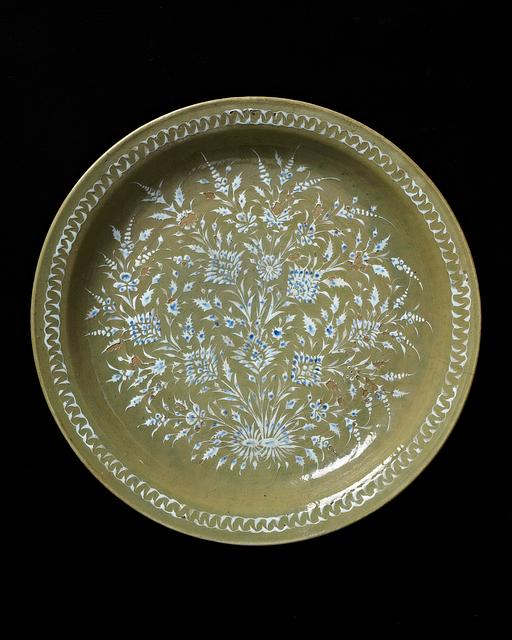
Fritware dish covered with an olive-green slip and painted in white and blue under a transparent glaze
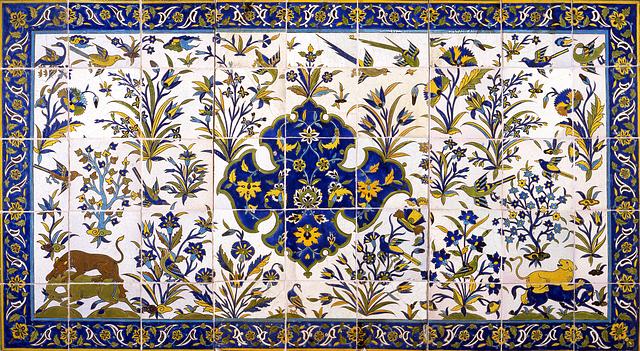
Fritware panel with 45 tiles, painted in polychrome glazes over an opaque, white glaze. Cuerda seca technique
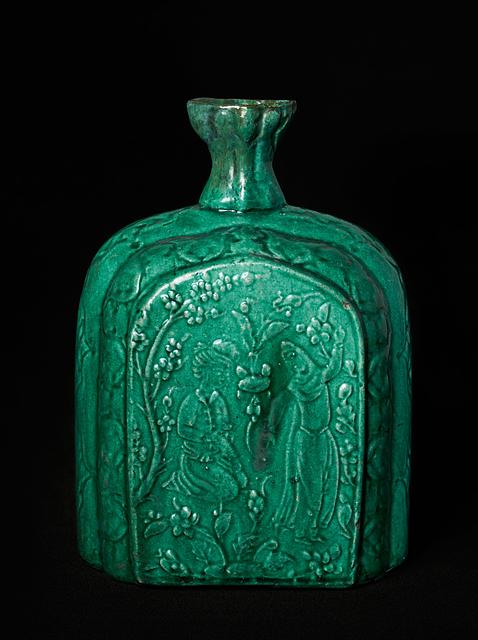
Flask, molded fritware covered with a transparent green glaze
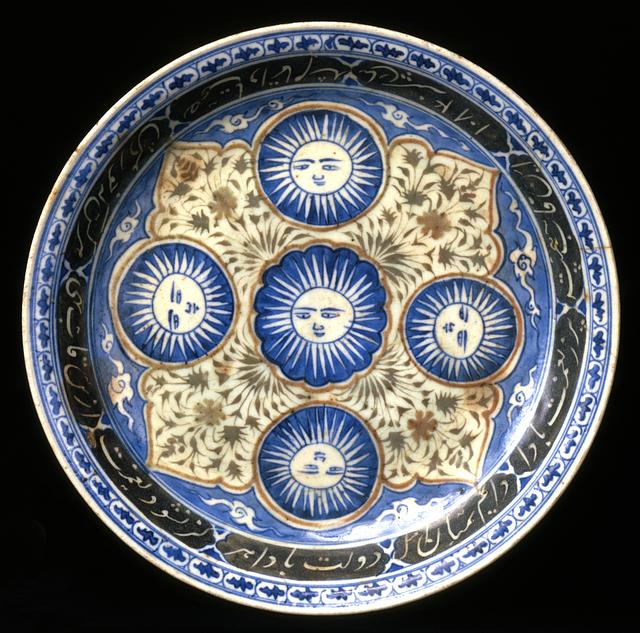
Fritware dish, painted in blue and black and with a red and a green slip under a transparent glaze