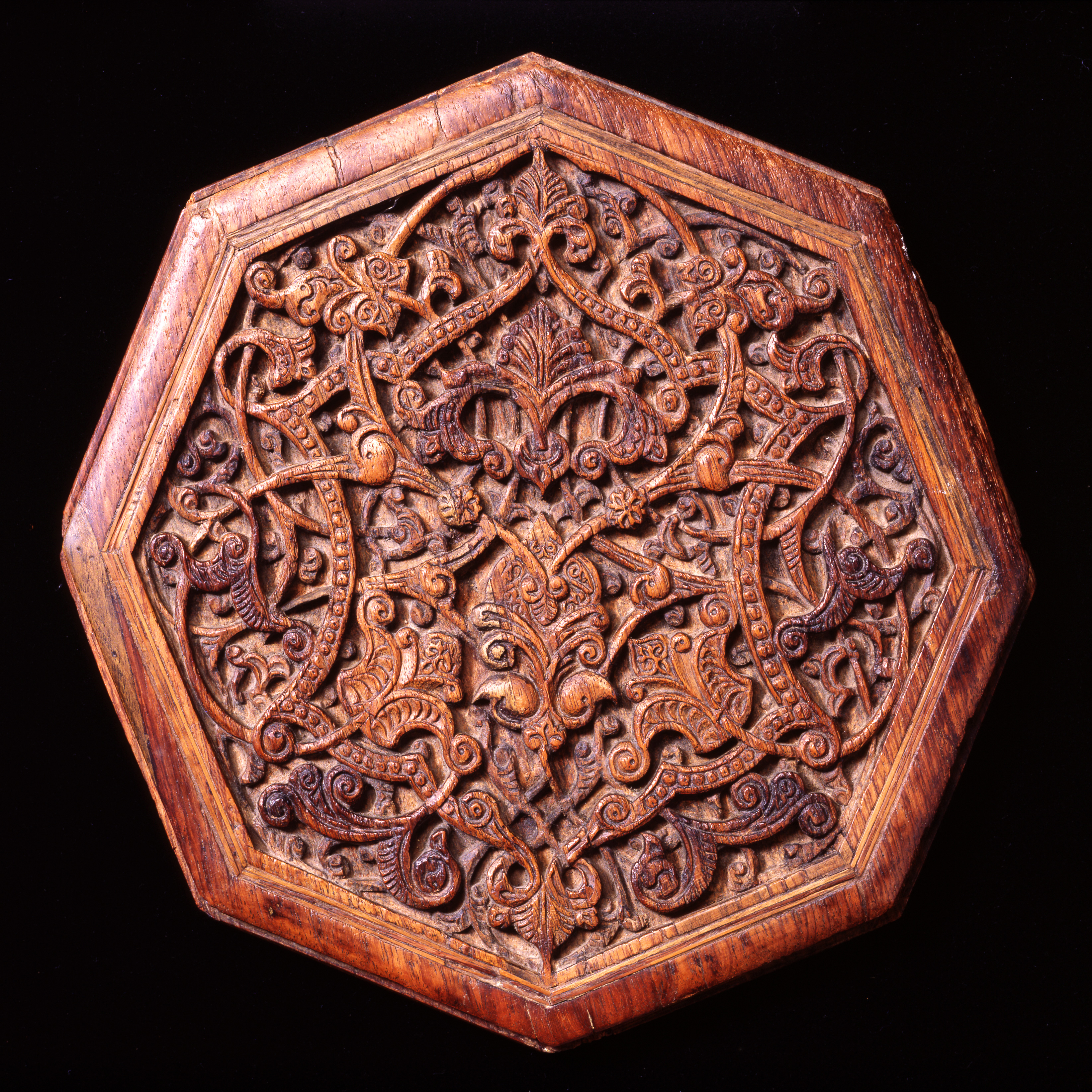
Octagonal panel, carved sycamore
Egypt, Cairo; 1296
Diam: 27.5 cm
Inventory number 7/1976
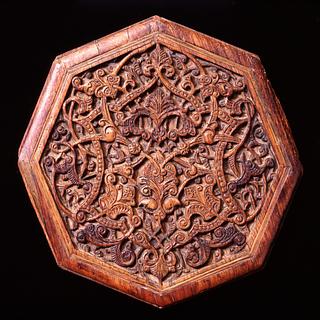
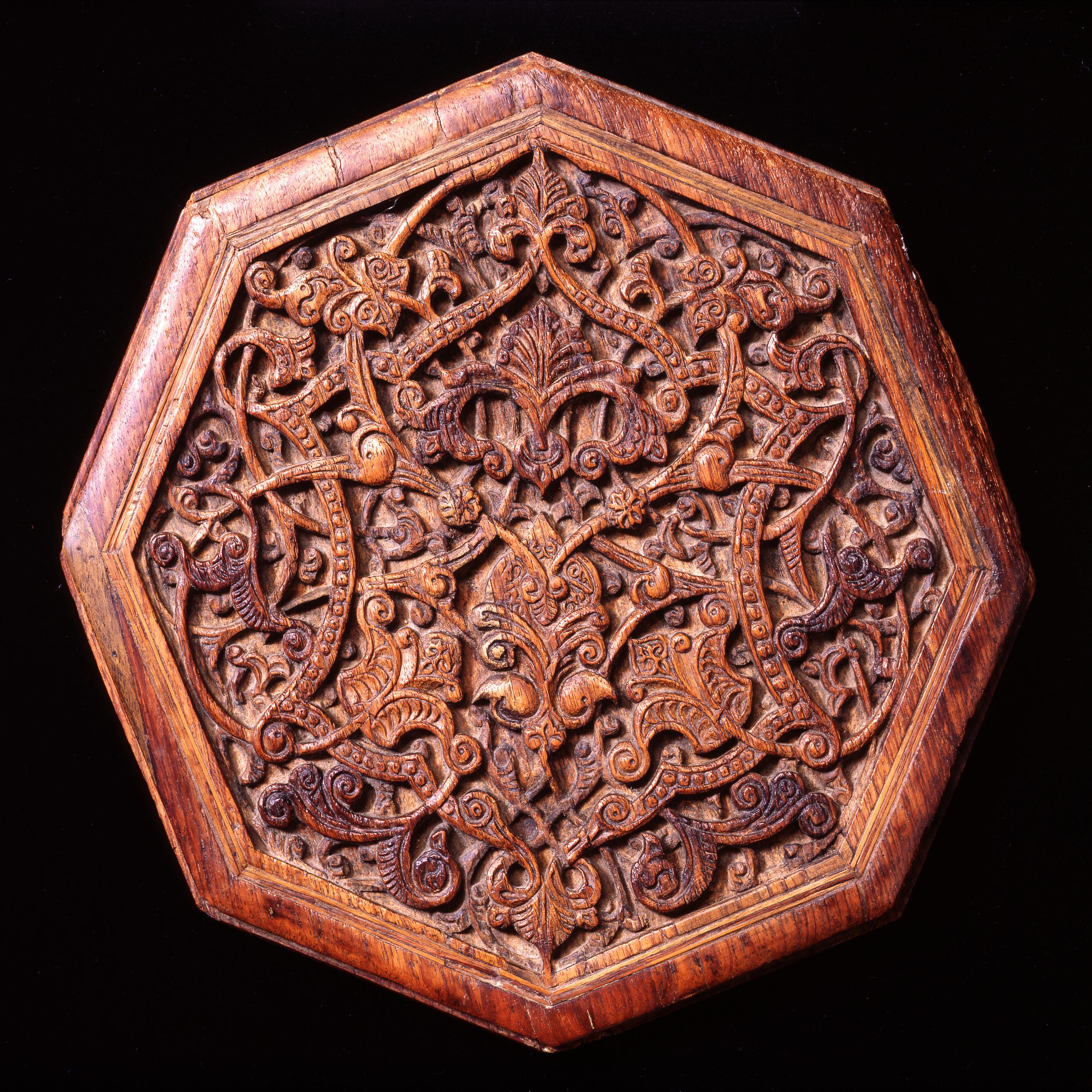
The wooden panel was carved with an arabesque decoration that is symmetrical in the vertical axis. The decoration consists of a complicated network of palmettes, tendrils, and strings of beads in four different layers against the flat ground.
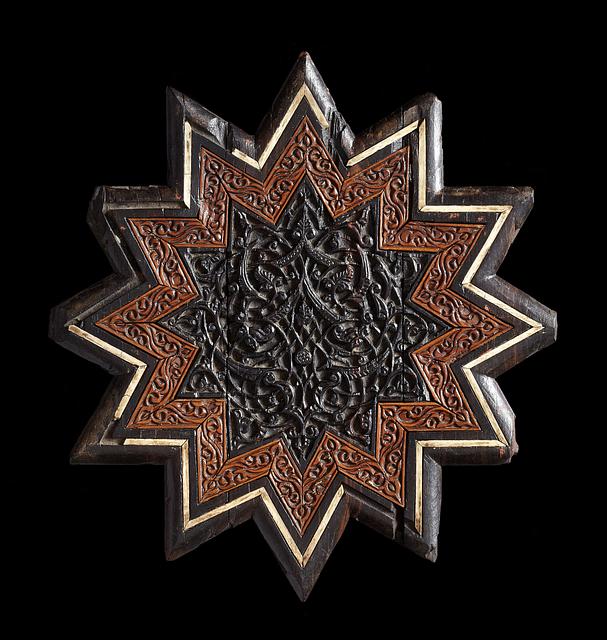
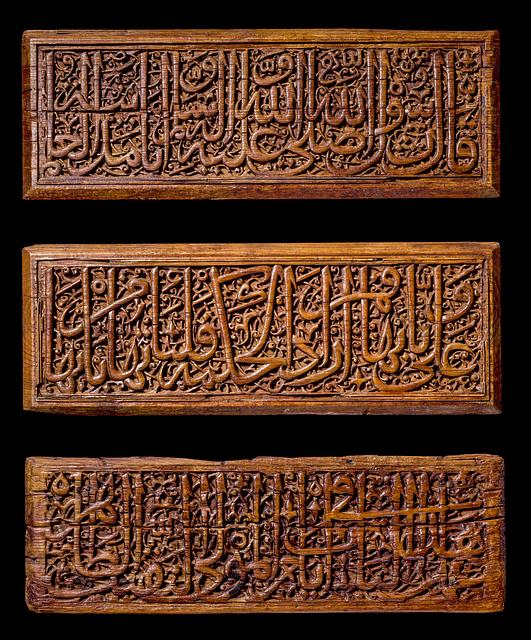
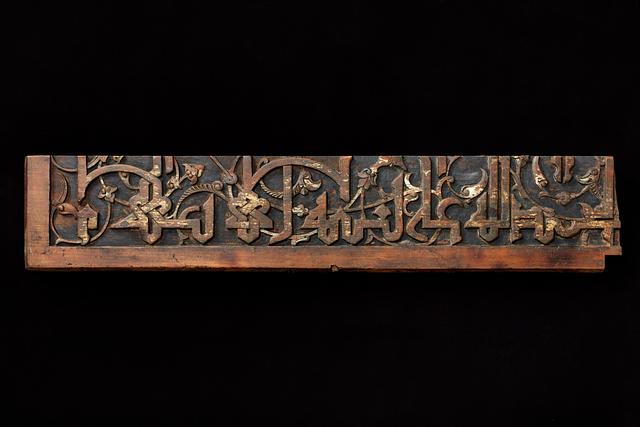
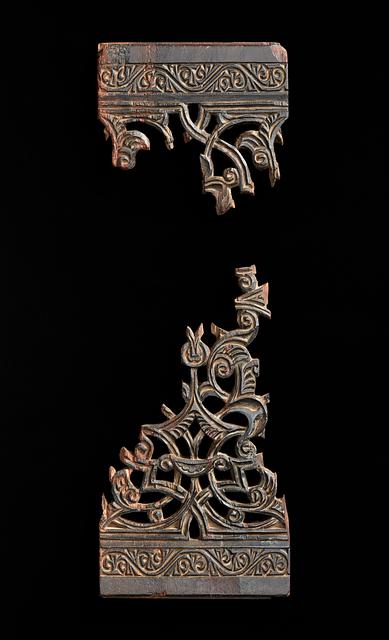
The panel comes from the great minbar (pulpit) that the Mamluk sultan al-Mansur Husam al-Din Lajin had erected in the Ibn Tulun Mosque in Cairo in 1296. The sides of the some four-meter-high minbar were covered with panels of different shapes that together formed a complicated geometric pattern consisting of several hundred parts. All of these panels were carved with various types of arabesques.
The panel comes from the great minbar (pulpit) that the Mamluk sultan al-Mansur Husam al-Din Lajin had erected in the Ibn Tulun Mosque in Cairo in 1296. The sides of the some four-meter-high minbar were covered with panels of different shapes that together formed a complicated geometric pattern consisting of several hundred parts. All of these panels were carved with various types of arabesques.
Published in
Published in
Art from the World of Islam. 8th-18th century, Louisiana, Humlebæk 1987, cat.no. 148;
Kjeld von Folsach: Islamic art. The David Collection, Copenhagen 1990, cat.no. 292;
Kjeld von Folsach, Torben Lundbæk and Peder Mortensen (eds.): Sultan, Shah and Great Mughal: the history and culture of the Islamic world, The National Museum, Copenhagen 1996, cat.no. 59;
Kjeld von Folsach: Art from the World of Islam in The David Collection, Copenhagen 2001, cat.no. 431;
Sheila S. Blair and Jonathan M. Bloom (eds.): Cosmophilia. Islamic Art from the David Collection, Copenhagen, McMullen Museum of Art, Boston College, Boston 2006, cat.no. 54;
Désirée N. Heiden: “Auf der Suche nach dem verlorenen Minbarverstreute Kunstobjekte in der internationalen Museumslandschaft” in Marion Frenger, Martina Müller-Wieners (eds.): Von Gibraltar bis zum Ganges: Studien zur Islamischen Kunstgeschichte in memoriam Christian Ewert, Berlin 2010, pp. 90-91 and Abb. 25, p. 258;
Kjeld von Folsach: Flora islamica: plantemotiver i islamisk kunst, Davids Samling, København 2013, cat.no. 27;
Kjeld von Folsach: Islamic art. The David Collection, Copenhagen 1990, cat.no. 292;
Kjeld von Folsach, Torben Lundbæk and Peder Mortensen (eds.): Sultan, Shah and Great Mughal: the history and culture of the Islamic world, The National Museum, Copenhagen 1996, cat.no. 59;
Kjeld von Folsach: Art from the World of Islam in The David Collection, Copenhagen 2001, cat.no. 431;
Sheila S. Blair and Jonathan M. Bloom (eds.): Cosmophilia. Islamic Art from the David Collection, Copenhagen, McMullen Museum of Art, Boston College, Boston 2006, cat.no. 54;
Désirée N. Heiden: “Auf der Suche nach dem verlorenen Minbarverstreute Kunstobjekte in der internationalen Museumslandschaft” in Marion Frenger, Martina Müller-Wieners (eds.): Von Gibraltar bis zum Ganges: Studien zur Islamischen Kunstgeschichte in memoriam Christian Ewert, Berlin 2010, pp. 90-91 and Abb. 25, p. 258;
Kjeld von Folsach: Flora islamica: plantemotiver i islamisk kunst, Davids Samling, København 2013, cat.no. 27;